


PMnB applies nano bubble technology in environments where water quality, energy use, and operational reliability are critical.
Each solution is designed to address real treatment limitations and improve process performance while reducing operational burden.

PMnB systems are deployed across municipal, industrial, agricultural, and environmental water systems worldwide.

Used in:
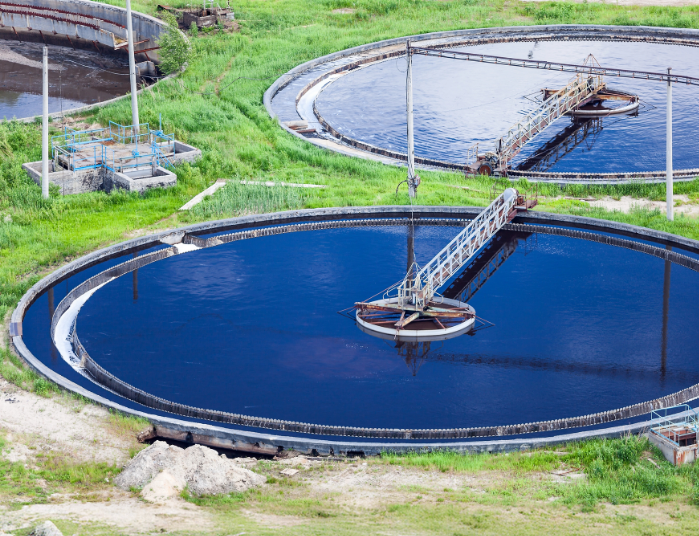
Used in:
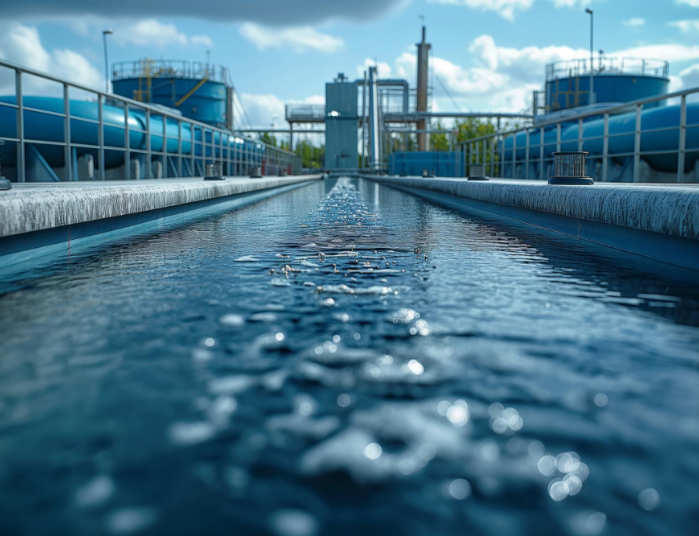
Used in:
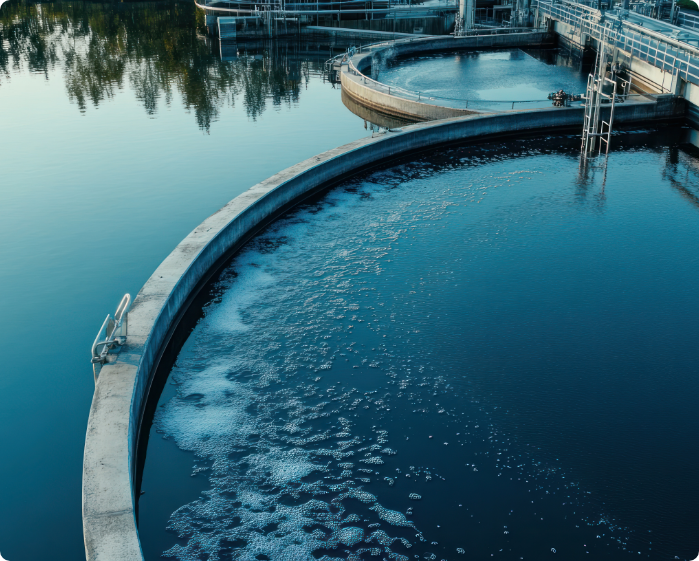
Used in:
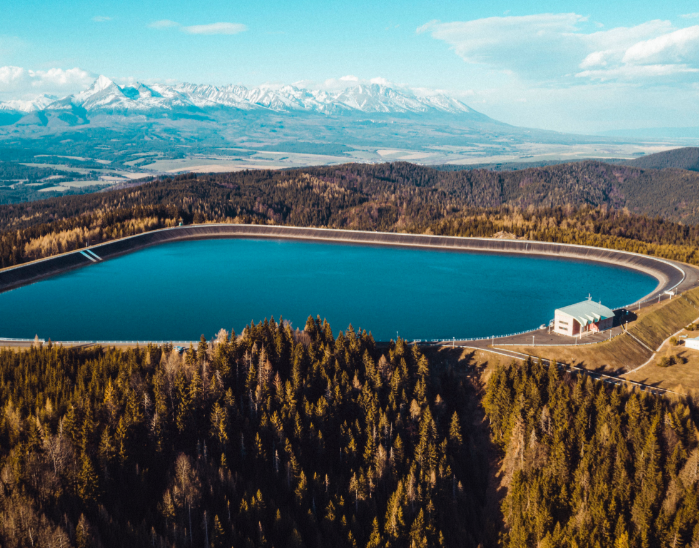
Used in:
Used in:

Used in:
Used in:
Chemical-free operation
Up to 80% lower energy consumption
Proven worldwide under real operating conditions
Retrofit-ready systems
Backed by 50 years of Palgey Maim engineering
Bring your treatment target, system layout, and current challenge. We’ll help you evaluate fit, integration requirements, and the role PMnB can play in your process.


Expand your portfolio with chemical-free water and wastewater treatment technology backed by engineering expertise, global validation, and partner support.

For assistance, please visit our Contact Us page. Our dedicated team is ready to help you on your nanobubble journey.
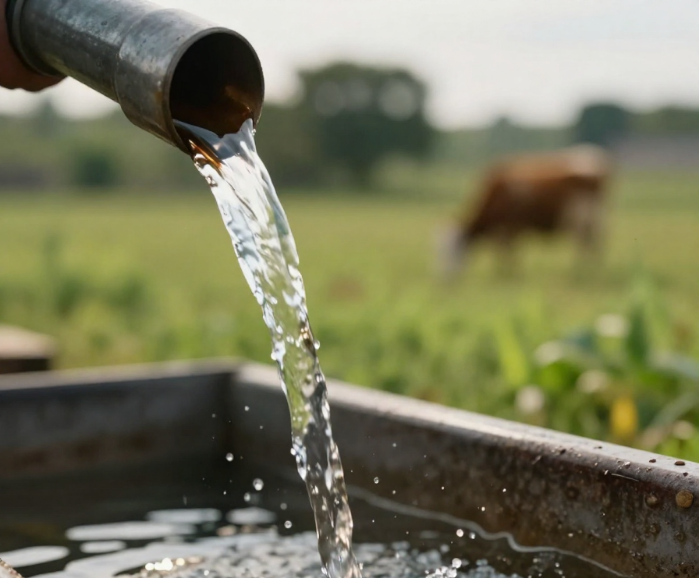
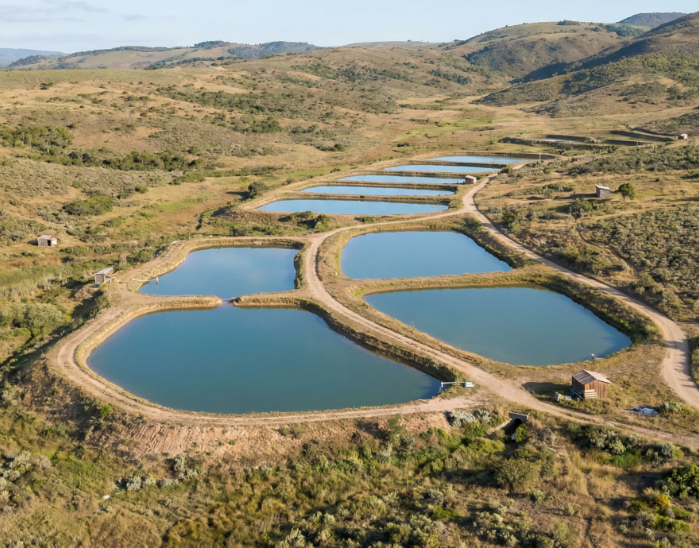
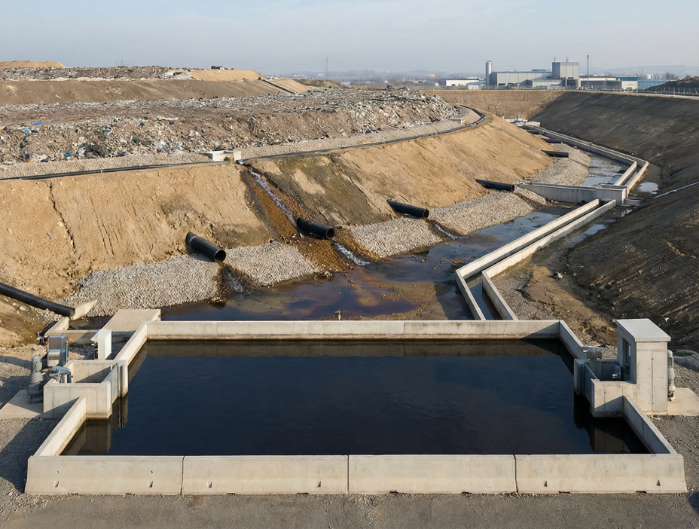
PMnB is designed for use across municipal and industrial wastewater treatment, potable water systems, lagoons and reservoirs, groundwater wells, agriculture and irrigation, aquaculture, and landfill leachate applications where oxygen transfer, oxidation efficiency, and operational reliability are critical.
By improving in-water oxidation and oxygen availability, PMnB strengthens biological and tertiary treatment processes, helping improve removal of BOD, COD, suspended solids, sulfides, and nutrients while supporting stable compliance with discharge requirements.
Yes. PMnB systems are retrofit-ready and integrate into existing basins, reservoirs, wells, lagoons, and process loops with minimal disruption, allowing facilities to improve performance without major civil works or process redesign.
PMnB maintains aerobic conditions and enhances oxidation in areas prone to sulfide formation, helping reduce odor issues in wastewater treatment plants, lagoons, landfill leachate systems, and groundwater applications.
Facilities typically see reduced aeration energy demand, improved process stability, lower chemical usage, more effective odor control, and simplified day-to-day operation across water and wastewater systems.
