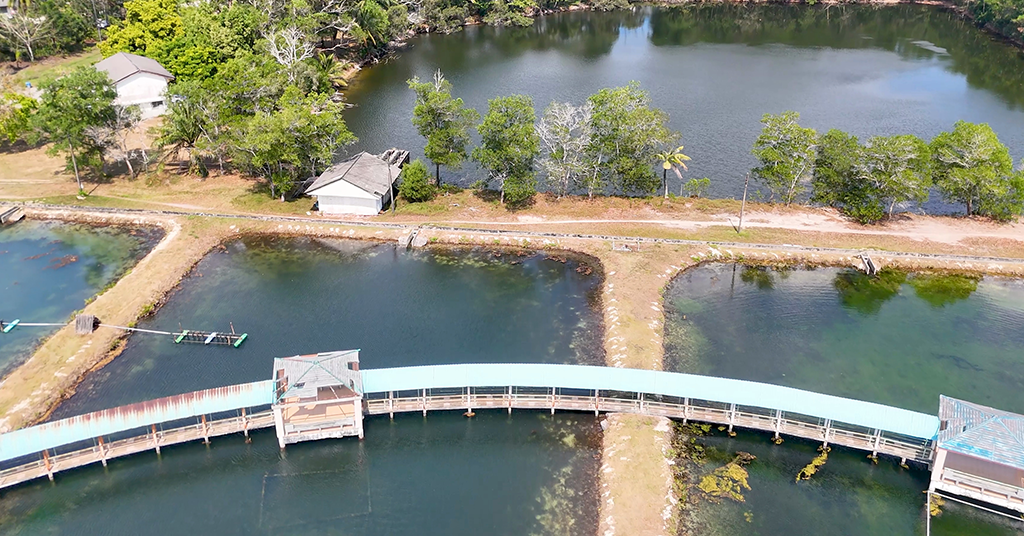
In aquaculture, water quality can set a hard ceiling on production. Poor water quality can quickly turn healthy stock into slower growth, higher stress, disease pressure, and avoidable mortality.
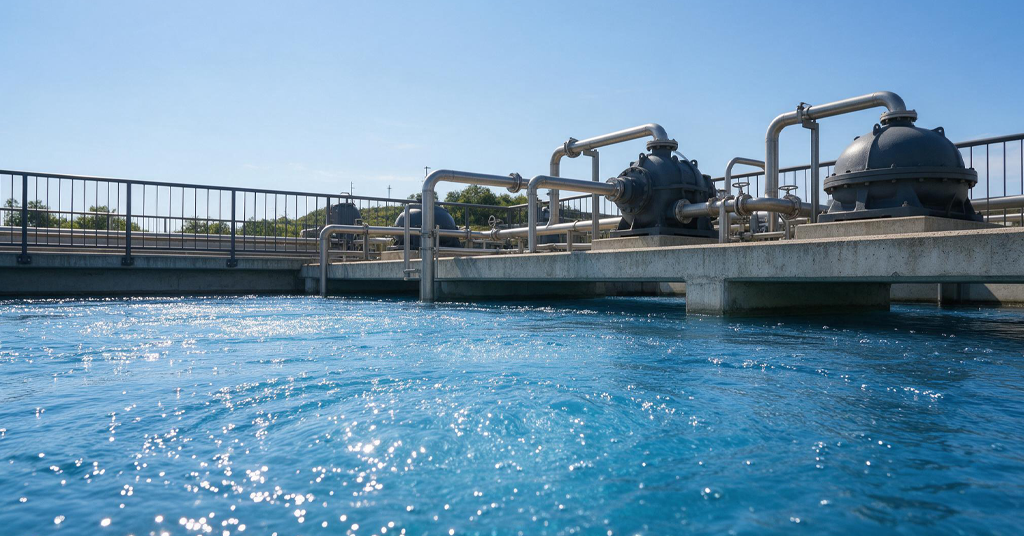
When choosing nanobubbles for water and wastewater treatment, the first decision is the gas. This decision is shaped by environmental engineering principles
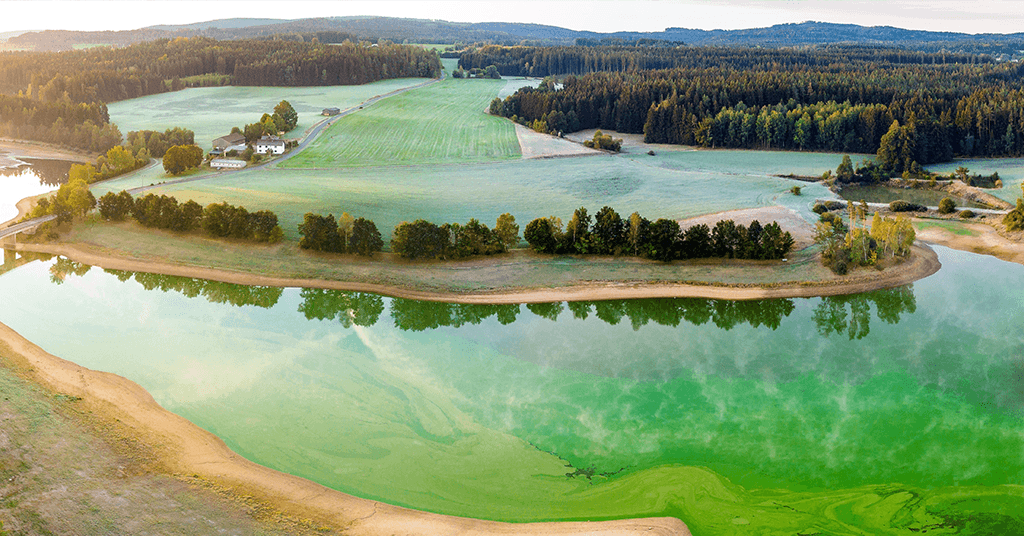
Summer algae blooms can push wastewater lagoon effluent toward non-compliance by increasing total suspended solids (TSS) and, in some cases, five-day biochemical oxygen demand (BOD₅).
Extensive wastewater treatment uses natural biological and physical processes in large, low-energy systems to treat wastewater with relatively little mechanical intervention.
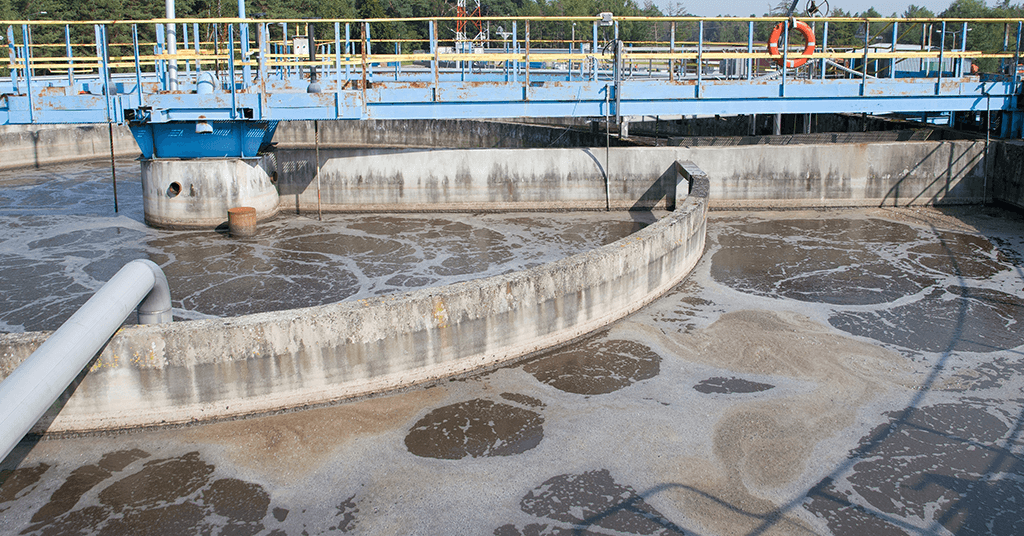
Nanobubble technology can help wastewater treatment plants reduce two significant operating costs: aeration energy and chemical dosing, while supporting the consistent production of clean water.
By 2045, the European Union expects its urban wastewater and sewage treatment sector to be energy-neutral, producing at least as much renewable energy as its water utilities consume in order to deliver clean water.
We use cookies to improve your experience, understand site performance, and help you find the most relevant information. By continuing to browse, you agree to our use of cookies.