Nanobubble technology can help wastewater treatment plants reduce two significant operating costs: aeration energy and chemical dosing, while supporting the consistent production of clean water.
It generates extremely small gas bubbles that remain in water longer than conventional bubbles, increasing the opportunity for oxygen or ozone to dissolve and participate in treatment. More efficient gas transfer can lower the airflow required for biological treatment, while improved oxidation and flotation can reduce chemical demand in suitable applications. These gains are becoming more relevant as energy costs rise and European utilities prepare for the EU’s 2045 wastewater energy-neutrality target.
What is nanobubble technology?
Nanobubbles are extremely small gas bubbles, generally defined in water-treatment literature as having diameters below approximately 200 nanometres. At that scale, they are invisible to the naked eye and thousands of times smaller than a typical grain of salt.
These tiny bubbles have a large surface area relative to their volume, increasing the contact available for gas transfer.
Conventional coarse and fine bubbles rise through an aeration basin because buoyancy carries them towards the surface. Gas that has not dissolved by the time the bubbles reach the surface escapes into the atmosphere.
Nanobubbles have very low buoyancy and can remain suspended in water for much longer. They also provide a high surface area relative to their volume. These properties increase the contact between the gas and the surrounding liquid, creating more opportunity for oxygen, air or ozone to transfer into the water.
Ozone or oxygen?
Nanobubble generation does not represent a single treatment process. The gas and treatment objective matter. Oxygen nanobubbles may support biological treatment and dissolved oxygen control. Ozone nanobubbles can be used where stronger oxidation or disinfection is required.
Because nanobubbles can improve gas transfer and oxidation, they help wastewater treatment processes operate with lower energy and chemical demand.
How nanobubbles cut energy costs in aeration
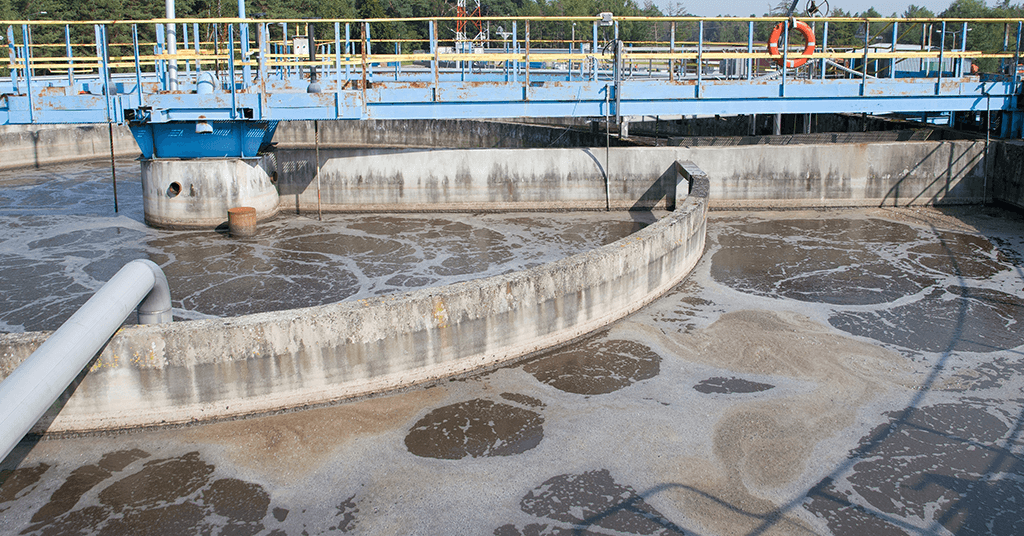
Aeration is commonly the most energy-intensive process in an activated sludge plant. Nanobubble technology targets this load by improving the transfer of oxygen from the injected gas into the wastewater. When a greater proportion of the supplied oxygen dissolves, less gas may be required to maintain the same dissolved oxygen concentration.
Higher oxygen transfer efficiency means less air may be required
Conventional aeration produces bubbles that rise through the basin. Any gas that has not dissolved before those bubbles reach the surface is lost to the atmosphere.
Nanobubbles behave differently. Their high surface-area-to-volume ratio, low buoyancy and prolonged stability increase the surface and time available for gas transfer. Experimental studies have recorded higher oxygen-transfer performance from nanobubbles than from larger bubbles under certain test conditions. Results depend on bubble generation, water quality, gas flow and treatment configuration.
For a wastewater treatment plant, the practical implication is that less air or pure oxygen may be needed to reach a given dissolved oxygen target. This can lower the energy required to produce and distribute gas during secondary treatment, particularly in activated sludge processes.
Lower air demand can reduce blower duty
Most aeration electricity is consumed by the blowers that deliver air or pure oxygen to the wastewater. Blower air can also provide mixing and keep biological solids suspended, so airflow cannot always be reduced in direct proportion to oxygen demand.
Where the process can operate with lower airflow, compatible blower systems may run at a lower output or for less time. The achievable reduction depends partly on blower controls, turndown capability and the minimum mixing requirements of the basin.
Nanobubble generation also consumes electricity, particularly where water is pumped, recirculated or pressurised. A credible energy assessment must therefore compare total system demand before and after installation. Blower savings should be measured after accounting for the power used by the nanobubble generator.
Aeration consumes a substantial share of plant electricity
The precise share varies by plant design and treatment requirements. The US Department of Energy states that aeration often accounts for more than half of the energy used by an activated sludge plant, with blowers responsible for the bulk of this demand.
This makes oxygen delivery a logical target for efficiency improvements. It does not establish a standard saving from nanobubble technology.
One peer-reviewed study of a nanobubble-aerated biofilm system reported approximately 80% lower aeration energy than the conventional arrangement used in that experiment. The result demonstrates technical potential under those conditions, but it should not be interpreted as a typical plant-wide saving.
Actual savings depend on influent load, basin design, existing aeration equipment, diffuser condition, dissolved oxygen controls, mixing requirements and generator consumption.
How nanobubbles can reduce chemical costs
Nanobubble technology is often described as chemical-free, but that phrase needs qualification. The system can deliver air, oxygen or ozone without adding conventional treatment chemicals. Whether it can eliminate a particular chemical depends on the contaminant, process stage and required effluent quality.
There are two main ways it can affect chemical demand.
More efficient oxidation can replace or reduce some chemical treatment
Oxygen and ozone can oxidise selected organic and inorganic contaminants. Nanobubbles keep the gas in contact with the water for longer, potentially improving the use of the supplied oxidant.
Ozone nanobubbles can also support advanced oxidation pathways associated with reactive oxygen species. These highly reactive species can contribute to the breakdown of some organic pollutants and microorganisms. Their formation and treatment effect depend on water chemistry, ozone dose, pH and the design of the process.
In a suitable application, this may reduce reliance on chlorine-based disinfectants, odour-control chemicals or other oxidants. It should not be presented as a universal replacement for chemical dosing without application-specific testing.
Small bubbles can improve particle flotation
Nanobubbles can attach to fine particles and support their aggregation or flotation. Current reviews identify nanobubble-assisted dissolved air flotation as one of the more advanced applications of the technology in water treatment.
Improved bubble-particle interaction may reduce the amount of coagulant or flocculant required in some separation processes. However, flotation chemistry remains important, and nanobubbles do not automatically remove the need for chemical conditioning. The effect must be demonstrated against the particular solids, surfactants and colloids present in the wastewater.
The safest commercial conclusion is that nanobubbles can create opportunities to optimise chemical dosing. They should not be described as eliminating all chemicals across an entire treatment plant.
Nanobubbles vs conventional fine-bubble aeration
| Characteristic | Conventional fine bubbles | Nanobubbles |
| Bubble size | Typically measured in millimetres | Generally below approximately 200 nanometres |
| Movement in water | Rise towards the surface | Very low buoyancy and prolonged suspension |
| Gas-transfer opportunity | Limited by rise time and basin depth | Longer gas-liquid contact |
| Energy effect | Depends on diffuser efficiency, fouling and blower control | May reduce required airflow, but generator energy must be included |
| Chemical effect | Primarily supplies oxygen for biological treatment | Can support oxygenation, ozone oxidation and flotation |
| Installation | Uses submerged diffuser and blower infrastructure | Configuration varies and may supplement existing treatment equipment |
Real-world savings and return on investment
There is no universal payback period for a nanobubble system. Whether an installation is cost effective depends on plant-specific factors, including organic load, energy tariffs, diffuser condition, blower efficiency and chemical use.
A credible business case should establish a measured baseline covering:
- blower, pump and generator electricity consumption;
- oxygen demand and dissolved oxygen stability;
- chemical consumption by treatment objective;
- maintenance and replacement costs;
- treatment capacity and effluent performance.
The post-installation assessment should use the same system boundaries. Counting a reduction in blower power while excluding the nanobubble generator would overstate the saving.
Plants should also account for avoided expenditure. Better oxygen transfer may help a constrained biological process accommodate additional load, while improved oxidation or flotation may reduce the need for new tanks, chemical systems or other upgrades. These benefits are valuable, but they require plant-specific engineering and performance data.
PMnB has documented municipal applications in which nanobubble treatment was integrated into existing wastewater infrastructure and used to improve treatment performance while reducing energy demand.
How nanobubble aeration supports the EU’s 2045 target
For utilities that manage sewer systems and wastewater treatment plants, improving aeration efficiency can reduce one of the largest sources of electricity demand while supporting broader energy-neutrality goals. The recast Urban Wastewater Treatment Directive sets a national energy-neutrality target for urban wastewater treatment plants serving loads of 10,000 population equivalent and above by 2045. It also introduces regular energy audits and progressive interim targets. The obligation applies at national level rather than requiring every individual plant to become independently energy-neutral.
Renewable-energy generation is central to the target, but demand reduction remains an important part of the calculation. Electricity that a plant no longer consumes reduces the amount of renewable energy that must be generated or procured to balance the sector’s use.
Aeration is a good target for cost reduction
Because aeration is commonly the largest electricity load in activated sludge treatment, improving oxygen-transfer efficiency can be a practical demand-reduction measure. Nanobubble aeration can sit alongside blower optimisation, dissolved oxygen control, efficient pumps, sludge-energy recovery and renewable generation.
It should therefore be assessed as one component of a broader plant or utility energy plan, rather than as a standalone route to energy neutrality.
Other wastewater applications for nanobubbles
Beyond activated sludge aeration, nanobubbles can support several treatment objectives across primary treatment and biological treatment:
- Odour and sulfide control: oxygen or ozone can support the oxidation of reduced sulfur compounds.
- Flotation and solids separation: small bubbles can improve contact with fine particles.
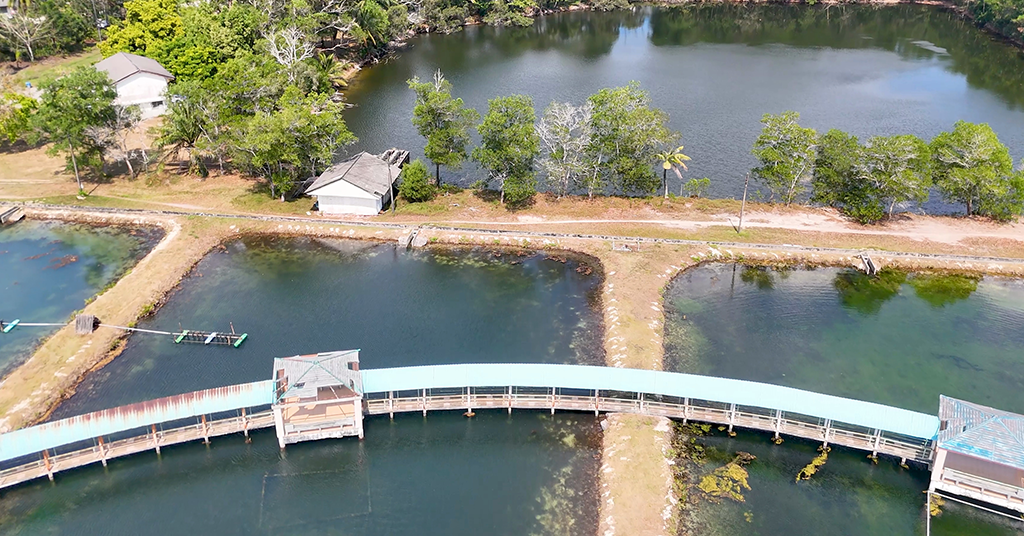
- Reservoir and lagoon oxygenation: prolonged gas contact can help restore aerobic conditions.
- Algae control: ozone-based treatment can support oxidation in affected water bodies, helping manage the conditions that lead to algal blooms.
- Biofilm and biological treatment: improved oxygen availability can support aerobic microbial activity.
The appropriate gas, dose and system configuration must be selected for the specific water quality problem. The same technology can be used to treat wastewater across biological treatment, tertiary polishing, odor control and lagoon applications.
Frequently asked questions
Assess the complete treatment system
Nanobubble technology can lower wastewater treatment costs when improved gas transfer translates into measurable reductions in aeration demand, chemical dosing or infrastructure requirements. The opportunity is strongest when the system is evaluated against a clear energy and treatment baseline.
Speak with a PMnB engineer to assess where nanobubble oxygenation or oxidation could improve performance in your wastewater treatment process.