Nano Bubble Technology for Water and Wastewater Treatment

Chemical-free oxidation, aeration & disinfection, powered by PMnB

PMnB is a chemical-free water and wastewater treatment technology developed by Palgey Maim, a global engineering company with over 50 years of experience in water treatment. Using stable nano bubbles, it dramatically improves gas transfer in water, enabling stronger oxidation, more efficient aeration, and reliable disinfection with lower energy and reduced chemical dependence.

PMnB integrates into existing infrastructure to improve clean water delivery without adding operational complexity.

The gas transfer problem:
Why water treatment projects underperform

In many cases, oxygen transfer is the limiting factor in achieving stable, compliant clean water output.

Conventional aeration and oxidation systems rely on large bubbles that rise quickly and escape before transferring their full gas content. To compensate, operators increase airflow or chemical use. This drives up energy costs and operational burden.

Common challenges include:

High aeration energy demand

Inconsistent oxidation performance

Heavy reliance on chlorine and other chemical dosing

Odor and sulfide formation

Reduction in emissions to meet regulations

PMnB was engineered specifically to address these limitations at the source.

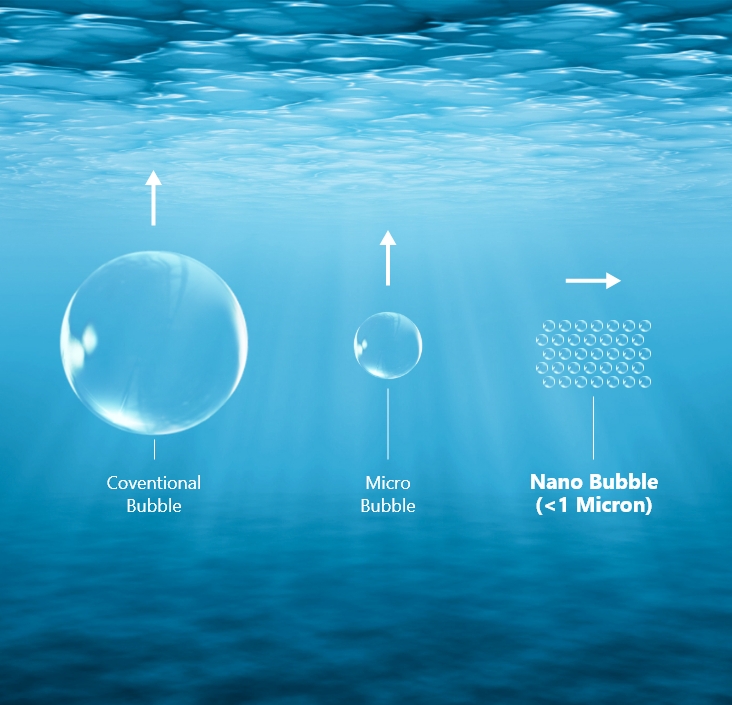
Nano bubbles offer a different way to deliver gas in water

PMnB uses controlled nanobubble generation to increase dissolved oxygen levels more efficiently than conventional aeration, improving oxidation and biological treatment performance. Nano bubbles are gas bubbles smaller than one micron in diameter. Unlike conventional bubbles, they:

Remain suspended in water for extended periods

Have a high surface area-to-volume ratio

Possess a negative surface charge that enhances interaction

Deliver gas gradually instead of losing it immediately to the atmosphere

Because nano bubbles stay in the water column longer, they increase gas dissolution efficiency and improve the reaction rate.

This enables more effective disinfection, improving water quality and neutralizing bacteria, viruses, and other pathogens. Crucially, the technology achieves this with less energy and fewer chemicals than other water treatment processes.

The science behind stable nano bubbles

Brownian motion vs buoyancy

At the nanoscale, Brownian motion dominates buoyant forces. Instead of rising to the surface, nano bubbles remain dispersed throughout the liquid, delivering gas where it is needed within the treatment process.

High surface area

Because nano bubbles are extremely small, they provide significantly more gas-liquid interface area compared to conventional aeration bubbles. This enhances chemical reactions and improves dissolved oxygen stability.

Surface charge & stability

Nano bubbles exhibit a negative surface charge that helps prevent coalescence. This stability allows them to remain active in the water column for extended periods.

Controlled gas release

When dissolved oxygen levels decrease, gas stored within nano bubbles diffuses gradually into the surrounding water. This supports biological processes in wastewater secondary treatment and aerobic systems.

These nanoscale behaviors enable water treatment plants to increase dissolved oxygen.

How PMnB works

PMnB applies nano bubble technology through a controlled, engineered process:

1

Generate ultra-fine nano bubbles

Ultra-fine bubbles are created and stabilized in water, remaining suspended for long durations to maximize effectiveness.

2

Infuse treatment gases

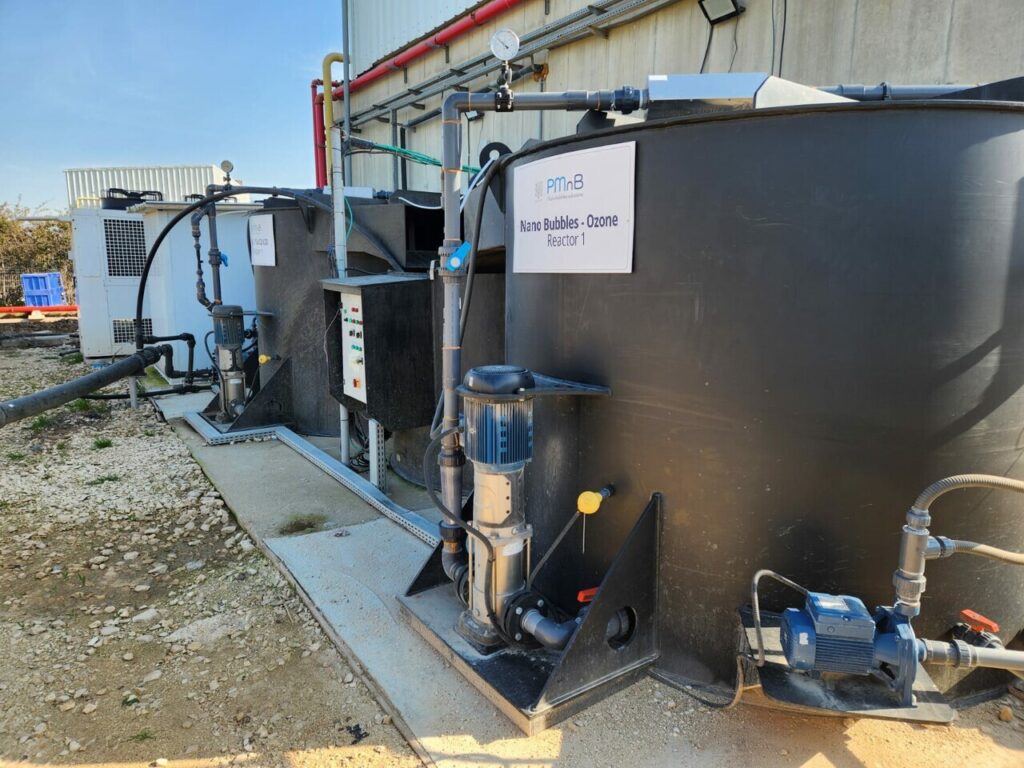
Dissolved gases such as ozone, oxygen, and air are delivered efficiently through nano bubble infusion, reducing required gas flow rates.

3

Deliver sustained oxidation & oxygen availability

Extended contact time supports biological processes, oxidation reactions, and pathogen inactivation across secondary and tertiary treatment stages.

How nano bubble technology compares to conventional aeration and chemical treatment

PMnB nano bubble technology

Nano bubbles remain suspended via Brownian motion

Lower gas input due to increased dissolution efficiency

Extended gas-liquid interface improves mass transfer

Reduced chlorine reliance via efficient ozone delivery

Chemical-free core operation

Conventional aeration & chemical dosing

Large bubbles rise quickly and burst

High blower energy required

Oxygen transfer limited by contact time

Chlorine required for reliable disinfection

Chemical storage and handling required

Multi-application solution applied across critical water systems

PMnB is a multi-application solution designed to strengthen oxygen transfer, oxidation, and disinfection across diverse treated water and wastewater environments.

The same core technology supports biological treatment, advanced oxidation, and chemical-free disinfection, adapted to the operational demands of each system.

Core treatment functions

Biological treatment enhancement

Increase dissolved oxygen stability and improve aerobic process performance while reducing aeration energy demand.

Advanced oxidation

Strengthen oxidation of organics, sulfides, and contaminants in high-load and variable-flow systems.

Disinfection support

Enhance pathogen reduction using efficient ozone delivery, reducing reliance on chlorine and repeated chemical dosing.

Applied across industries

PMnB nano bubble systems are deployed across:

Municipal wastewater treatment

Improve aerobic, tertiary, and sludge treatment performance by increasing dissolved oxygen and oxidation efficiency, while reducing energy use and sludge handling costs.

Industrial wastewater treatment

Cut treatment costs by improving oxidation and aerobic efficiency, while supporting sulfide removal, odor control, and stable biological performance.

Potable water treatment

Improve drinking water pathogen and biofilm control with advanced oxidation and disinfection support, reducing chlorine dependence while meeting strict standards.

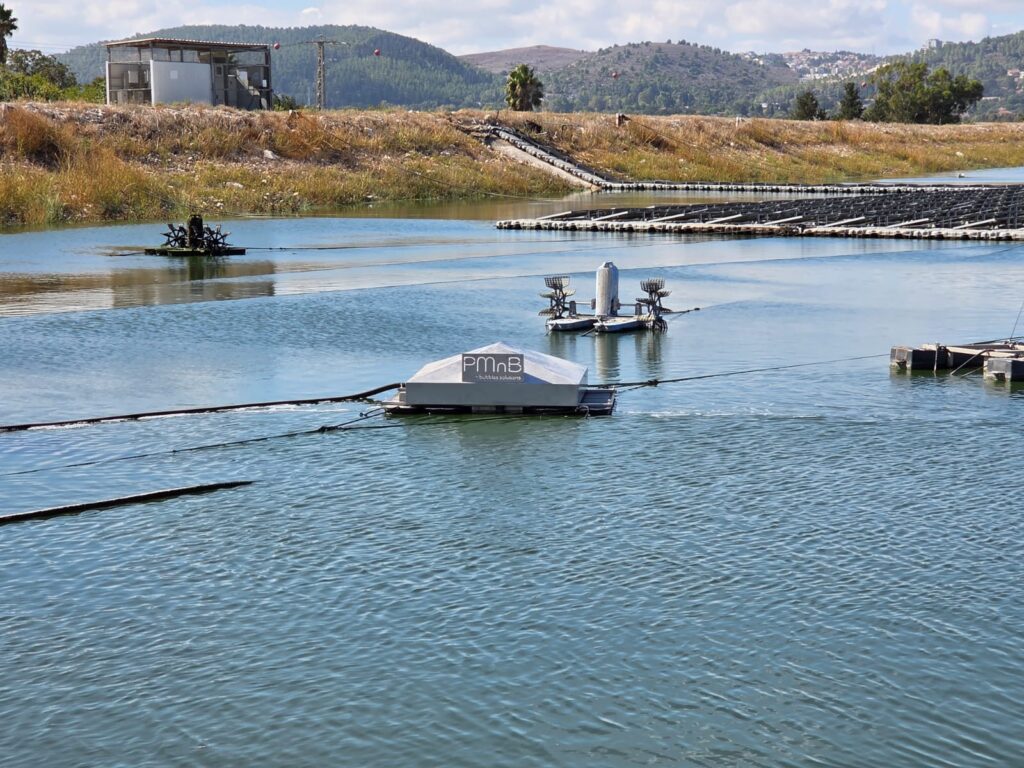
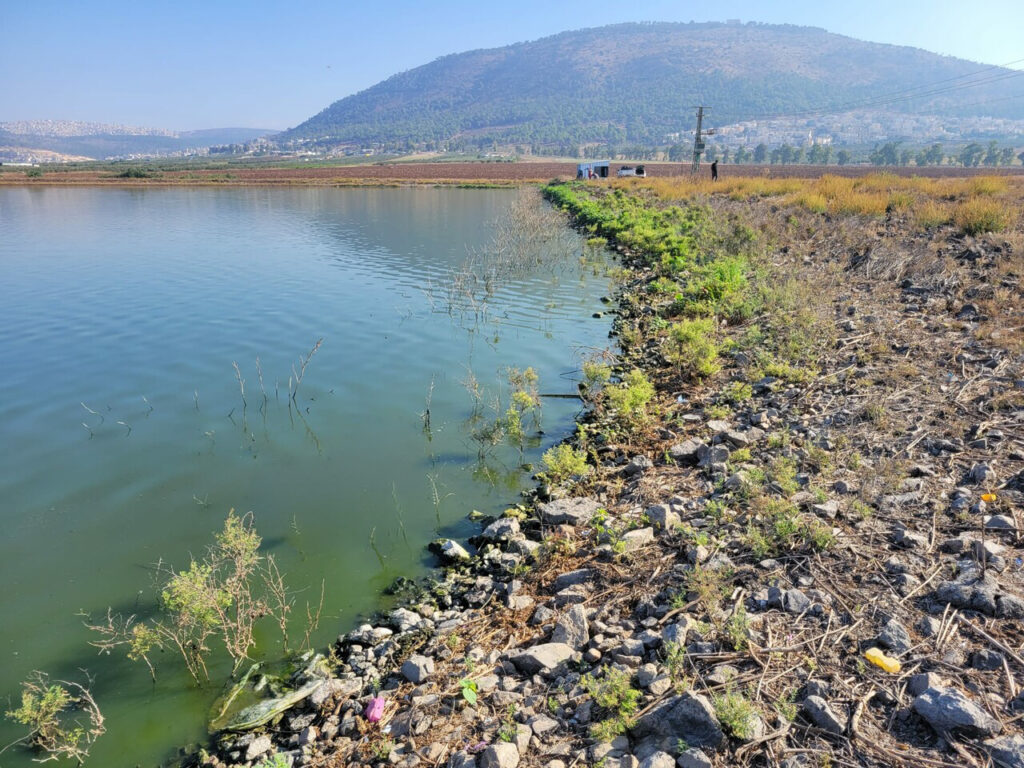
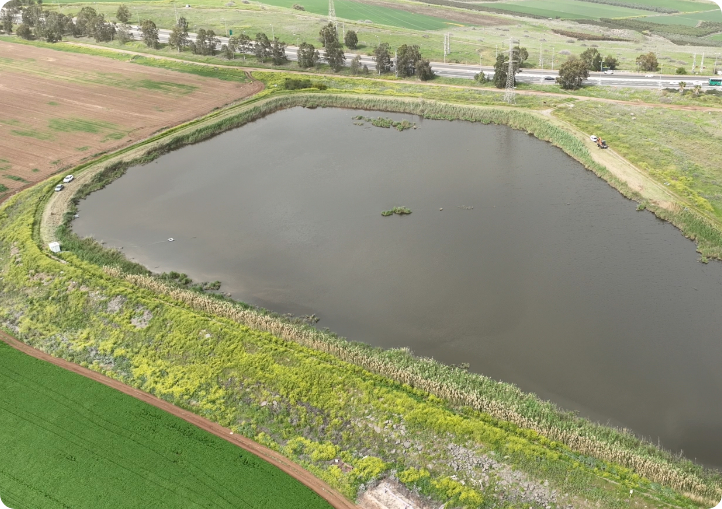
Lagoons & reservoirs

Improve source water quality by increasing oxygenation and oxidation to help control algae, bacteria, and odors without chemical residues.

Well water treatment

Oxidize sulfides and dissolved contaminants with nano bubble ozone or oxygen delivery to improve iron and manganese control and reduce odors without chemical dosing.

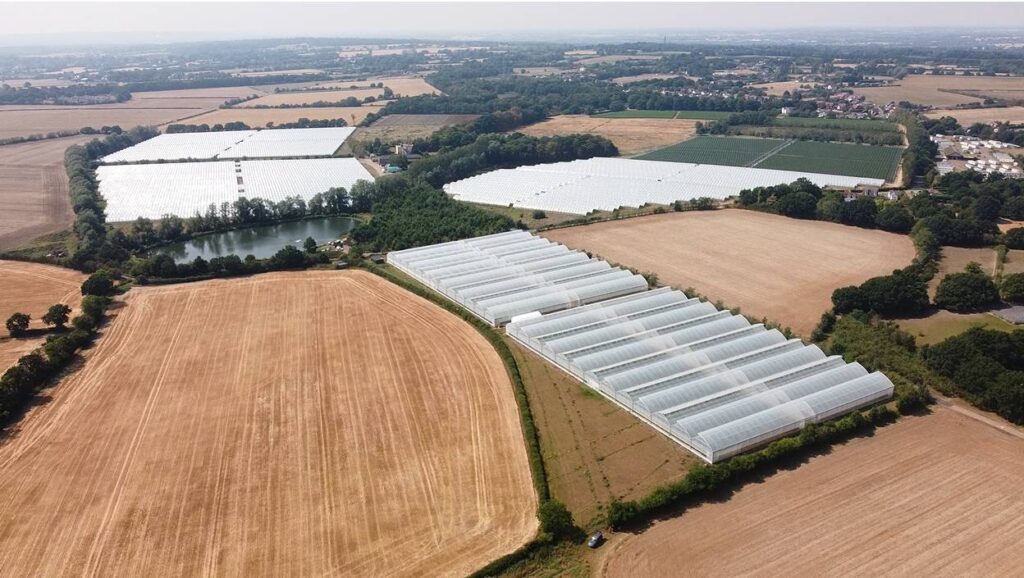
Agriculture & irrigation

Protect irrigation systems and support crop performance by reducing algae and biofilm and improving oxygen availability to the root zone for cleaner lines and healthier soils.

Aquaculture and RAS

Maintain stable dissolved oxygen and water quality to support healthier stock, higher stocking density, and lower energy and operating costs.

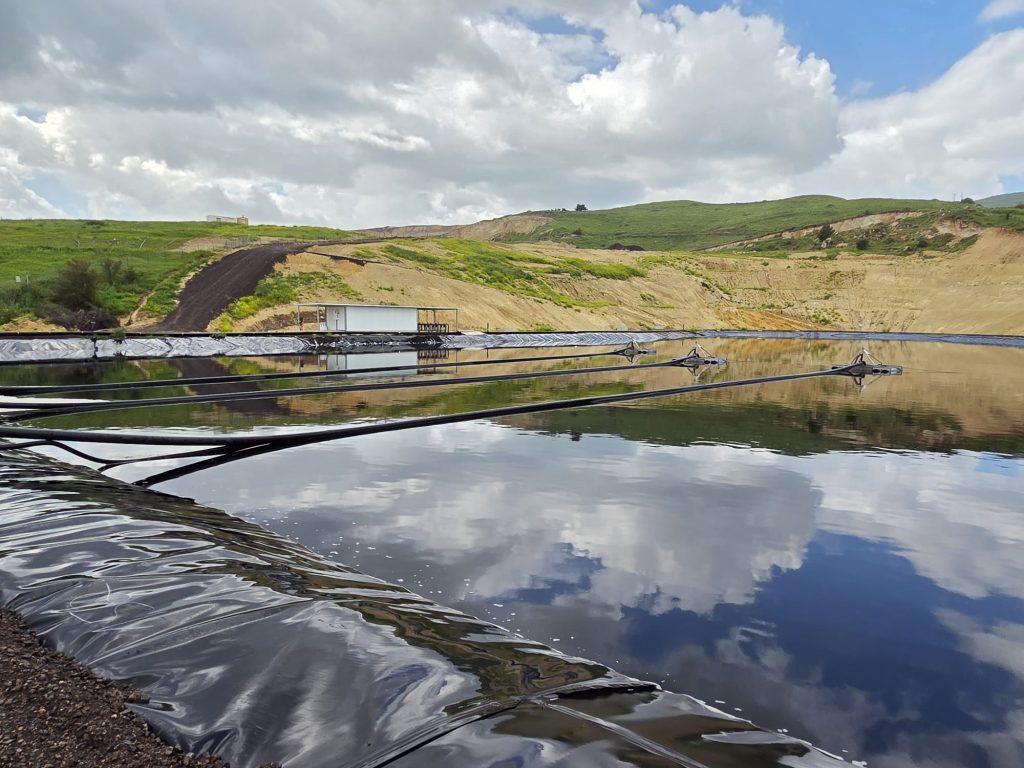
Landfill leachate

Improve high strength leachate treatment by enhancing oxygen transfer and oxidation, reducing odors, stabilizing downstream processes, and lowering aeration energy.

Because PMnB improves in-water gas transfer rather than adding chemicals, the technology adapts to the needs of each sector while maintaining the same engineering framework.

Proven outside the lab: the advantages of nano bubble technology

PMnB improves oxidation and biological stability upstream of reverse osmosis systems, supporting higher water quality and reducing membrane fouling.

Across operating plants and reservoirs worldwide, it delivers:

Up to 80% reduction in aeration energy demand

Up to 90% reduction in ozone usage

Significant BOD, COD, and TSS removal improvements

Sulfide and odor reduction

Stable dissolved oxygen across large water bodies

100% chemical-free core operation

Featured case studies

Transform treatment plants without rebuilding them

Every treatment system has unique constraints. PMnB engineers evaluate site conditions, process limitations, and performance goals to determine where nano bubble technology can deliver performance gains first.

Partner with PMnB

A proven solution in a fast-growing market

Expand your portfolio with chemical-free water and wastewater treatment technology backed by real engineering, global validation, and partner support.

Frequently Asked Questions

Still have questions?

For assistance, please visit our Contact Us page.
Our dedicated team is ready to help you on your nanobubble journey.

How does nano bubble technology improve water and wastewater treatment performance?

Nano bubble technology improves treatment performance by increasing gas transfer efficiency in water. Because nano bubbles remain suspended longer than conventional bubbles, they provide extended contact time for dissolved gases such as ozone, oxygen, and air to dissolve and react.

This enhances:

  • Biological treatment in aerobic processes
  • Oxidation of organic matter (BOD and COD)
  • Sulfide removal and odor control
  • Pathogen reduction in disinfection processes

By improving gas dissolution and stability, nano bubble systems help treatment plants achieve stronger and more consistent results with lower energy input.

Nano bubble technology can be integrated at multiple stages of a treatment process, depending on performance goals.

Common integration points include:

  • Aeration basins for improved oxygen transfer in biological treatment
  • Tertiary treatment systems to enhance oxidation prior to filtration or UV disinfection
  • Sludge treatment processes to support aerobic digestion and reduce sulfide formation
  • Equalization tanks and reservoirs to stabilize dissolved oxygen levels
  • Well water systems for oxidation of iron, manganese, and sulfides

PMnB systems are designed for retrofit installation and can be integrated without major civil works or plant redesign.

Yes. Nano bubble technology can reduce chemical dependence by improving the efficiency of delivery of dissolved gases such as air, oxygen, and ozone.

In drinking water and tertiary wastewater treatment applications, ozone nano bubbles enhance oxidation and disinfection performance, which can reduce the required dose of chlorine or other chemical disinfectants.

The result is a treatment process that relies more on efficient gas transfer and less on continuous chemical dosing.

Conventional aeration produces larger bubbles that rise quickly to the surface, limiting gas transfer time. Much of the injected air escapes before fully dissolving.

Nano bubbles, by contrast:

  • Are smaller than one micron in diameter
  • Remain suspended in the water column
  • Provide significantly longer contact time
  • Increase surface area for gas exchange

This allows oxygen to dissolve more completely and remain available for biological processes.

Yes. Nano bubble technology can be applied in both drinking water and wastewater treatment systems.

In wastewater treatment, it supports aerobic biological processes, oxidation of organics, sulfide control, and tertiary disinfection.

In drinking water treatment, nano bubble ozone systems enhance pathogen reduction and disinfection, improve control of iron and manganese, and help reduce chlorine demand.

Contact Us