


Advanced drinking water disinfection, Colombia
Potable water
Ozone nano bubble system eliminates chlorine-resistant pathogens from a drinking water supply serving millions
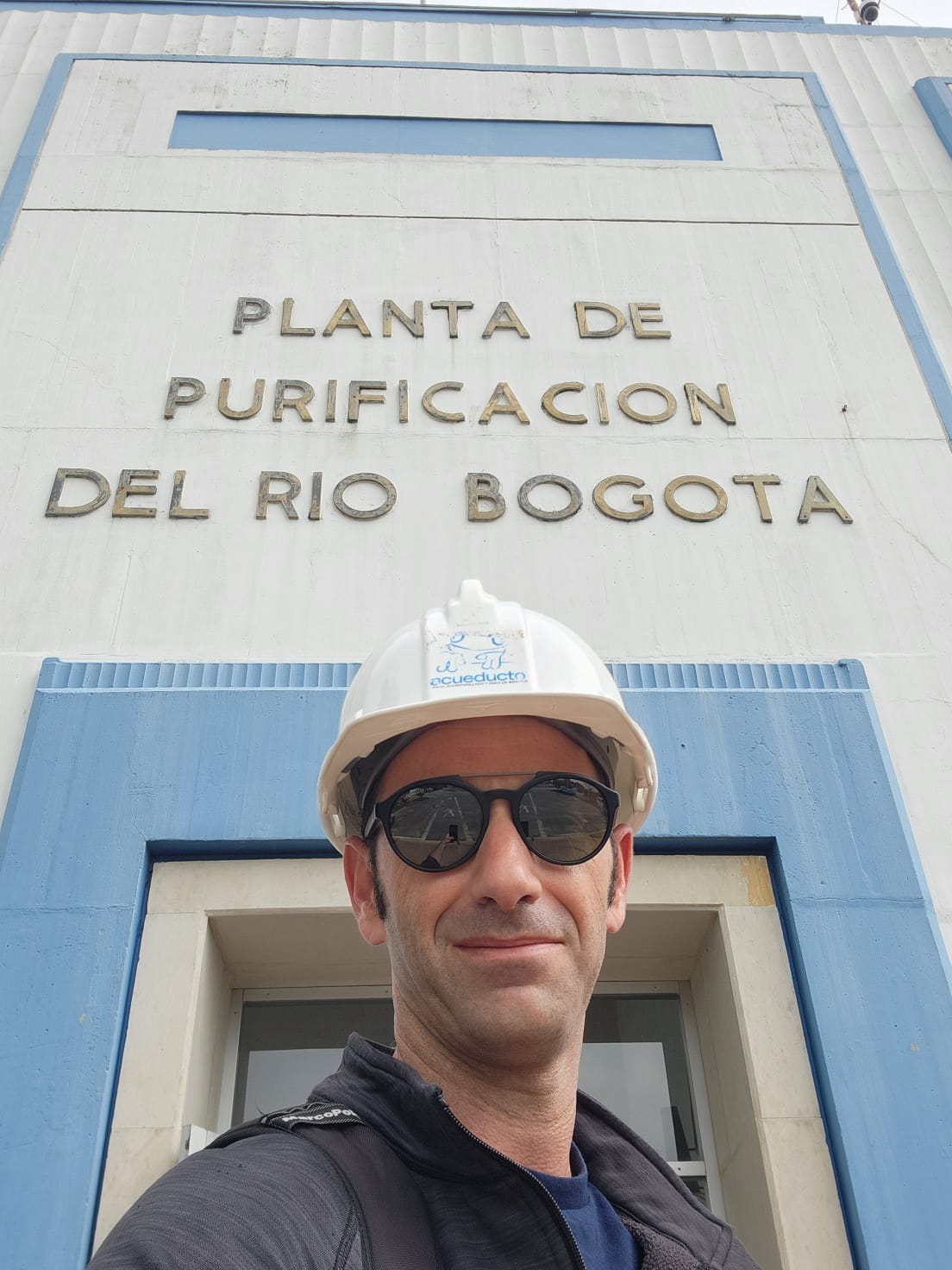
The Tibitóc water treatment plant supplies drinking water to 2.6 million people. Chlorine-resistant pathogens were passing through the treatment process undetected. PMnB ozone nano bubble systems were installed to provide ֵ disinfection, achieving 100% removal of Cryptosporidium and Giardia with no chemical residuals in the treated water.

The challenge
A growing city, a degrading river, and pathogens chlorine cannot touch
The Tibitóc plant processes approximately 500,000 m³ of drinking water per day, serving a wide distribution network across Bogotá and surrounding municipalities. Over the last few decades, industrial expansion along the river basin and continued population growth degraded source water quality, requiring continuous upgrades to maintain safe output.
But conventional treatment has a critical limitation. Cryptosporidium and Giardia form oocysts and cysts that are resistant to chlorine, allowing them to survive standard disinfection and remain a risk within the drinking water supply.
The utility also evaluated UV disinfection systems as an additional pathogen barrier. However, the low UV transmittance (UVT) levels in the river water significantly reduced UV effectiveness under the site’s operating conditions, making UV treatment inefficient for reliable large-scale pathogen control.
With 2.6 million people depending on this facility, closing this gap became essential.
Cryptosporidium and Giardia surviving standard chlorine disinfection
Low UVT source water limiting UV disinfection efficiency
No validated second-barrier treatment stage in place
Highest risk to the elderly, children, pregnant women, and immunocompromised individuals
Pathogen exposure risk scaling with a growing population
Conventional solutions considered
Historically, pathogen control at the plant relied on conventional chlorination within the existing treatment process. While effective against many microorganisms, chlorination does not reliably inactivate chlorine-resistant protozoa such as Cryptosporidium and Giardia, leaving a significant treatment gap.
The utility also assessed UV disinfection systems as a potential secondary barrier. However, the source water’s low UV transmittance (UVT) reduced UV penetration efficiency, limiting treatment performance under real operating conditions and making large-scale implementation less viable for the site.
These approaches involved:
The PMnB solution
Ozone nano bubble disinfection system
Following a global technology review as part of the Inter-American Development Bank’s IDB Ideas in Action programme, the Tibitó team selected PMnB’s ozone nano bubble treatment system as a second-barrier disinfection solution.
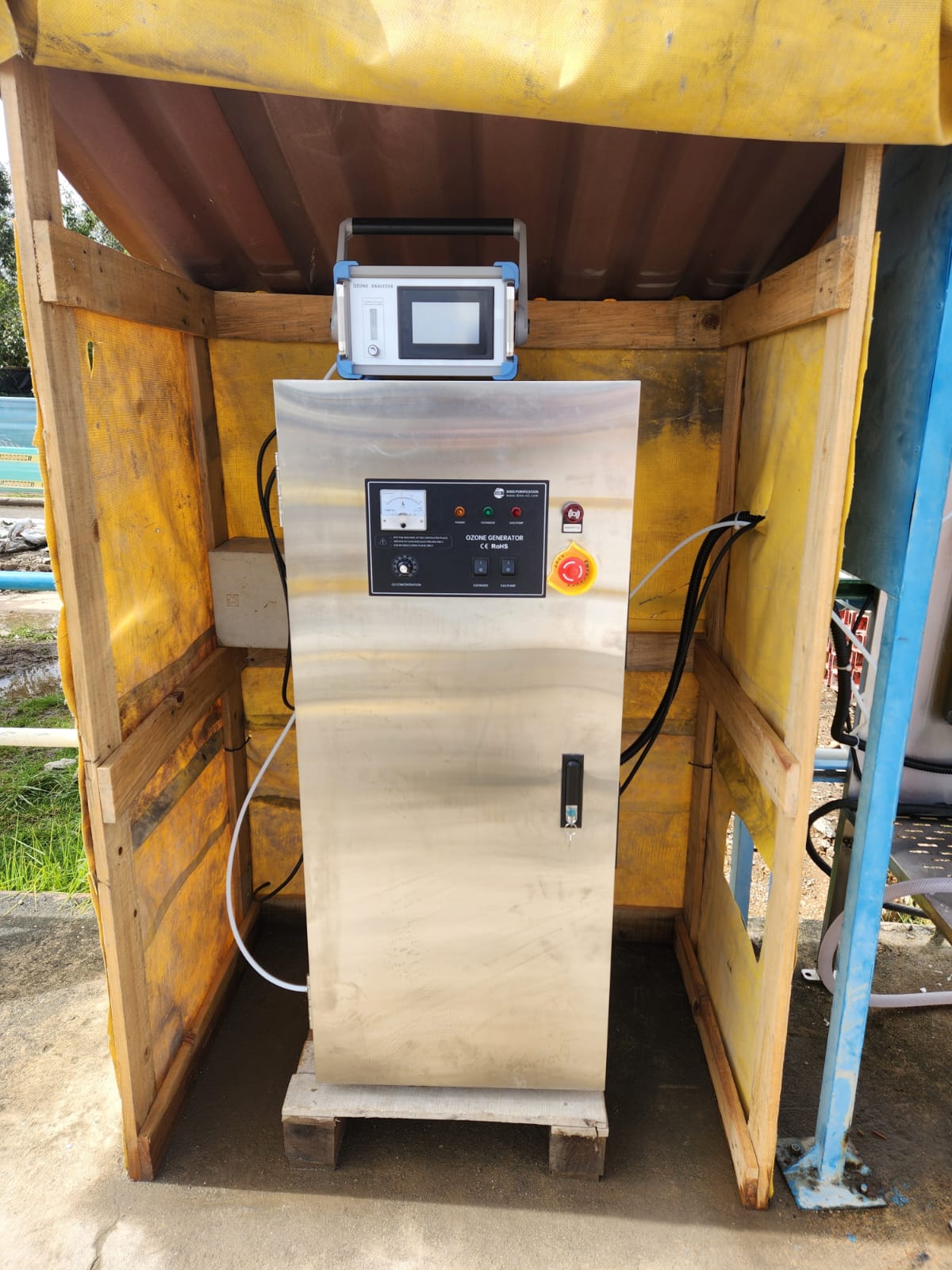
This solution generates ozone onsite from ambient air, and dissolves it into the water as ultra-fine nano bubbles (<0.1 micron). This enables:
- Deep penetration and sustained disinfection contact throughout the water column
- Extended gas residence time for complete pathogen inactivation
- High oxidation efficiency against chlorine-resistant cyst-forming organisms
- No chemical residuals as ozone degrades rapidly in water and in the atmosphere
- Clean and safe treated water with no persistent disinfectant by-products
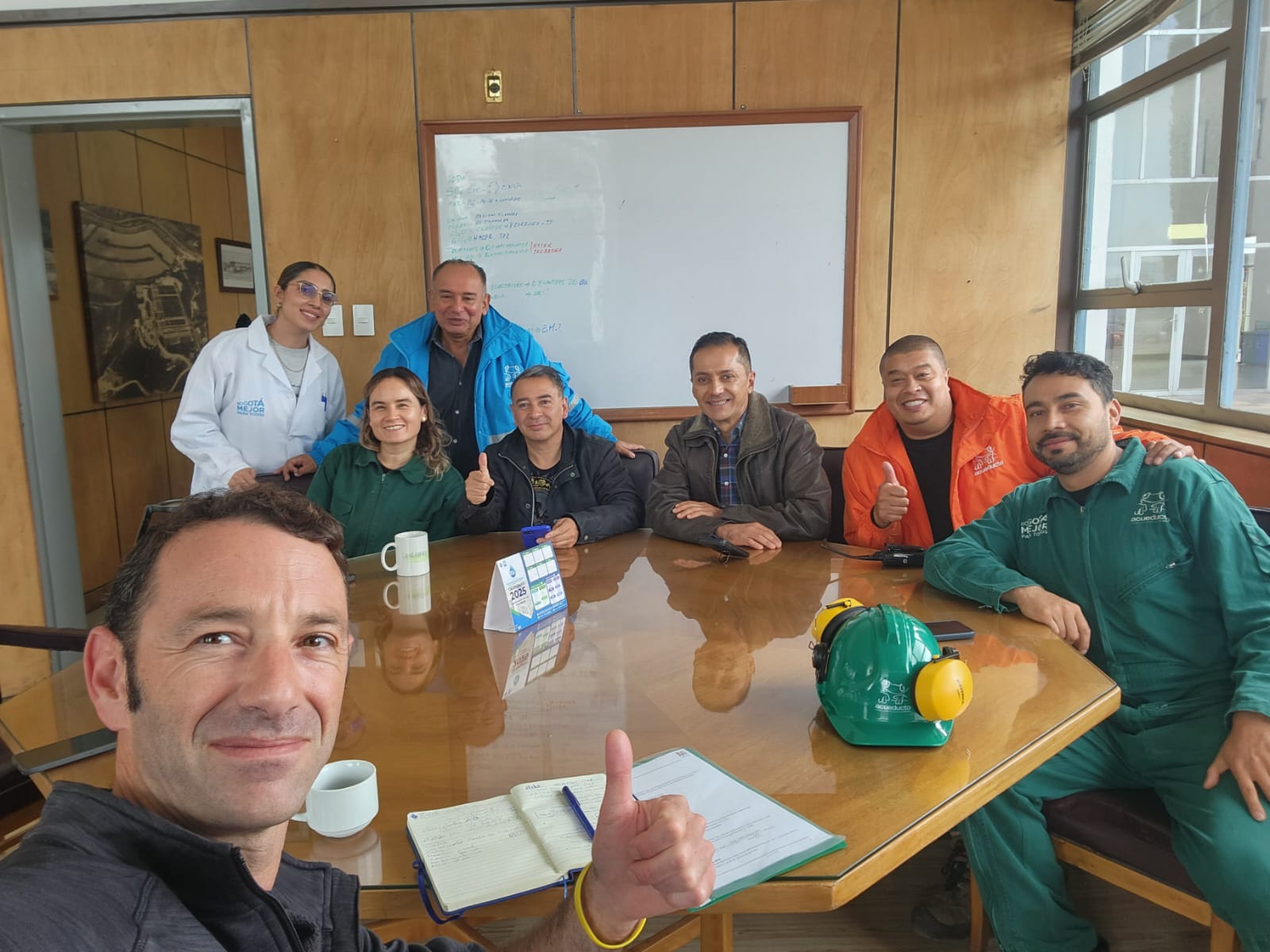
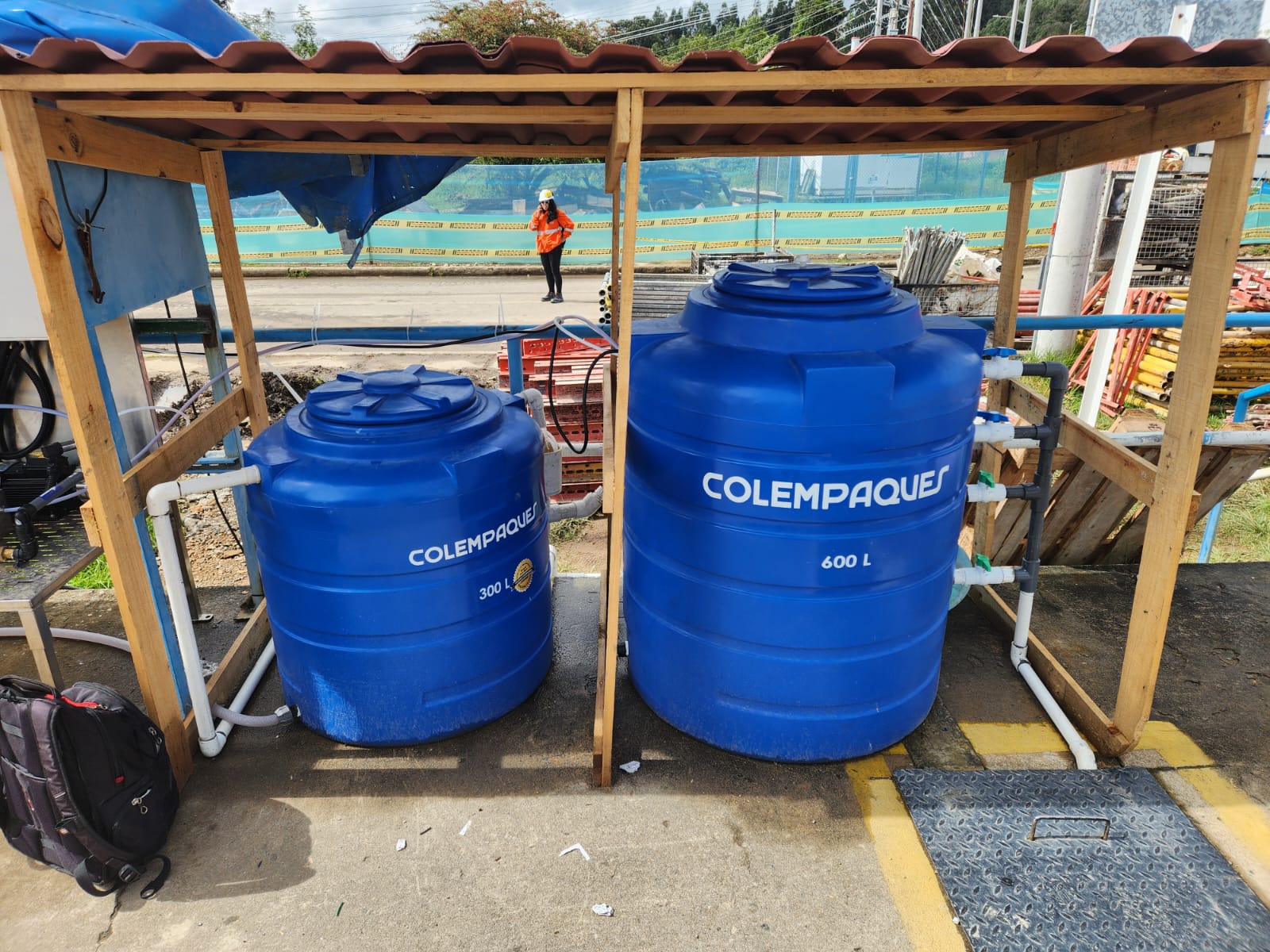
A pilot system was developed in Israel, flown to Colombia, and tested onsite in collaboration with Tibitó’s engineering team. The results provided clear validation under real operating conditions.
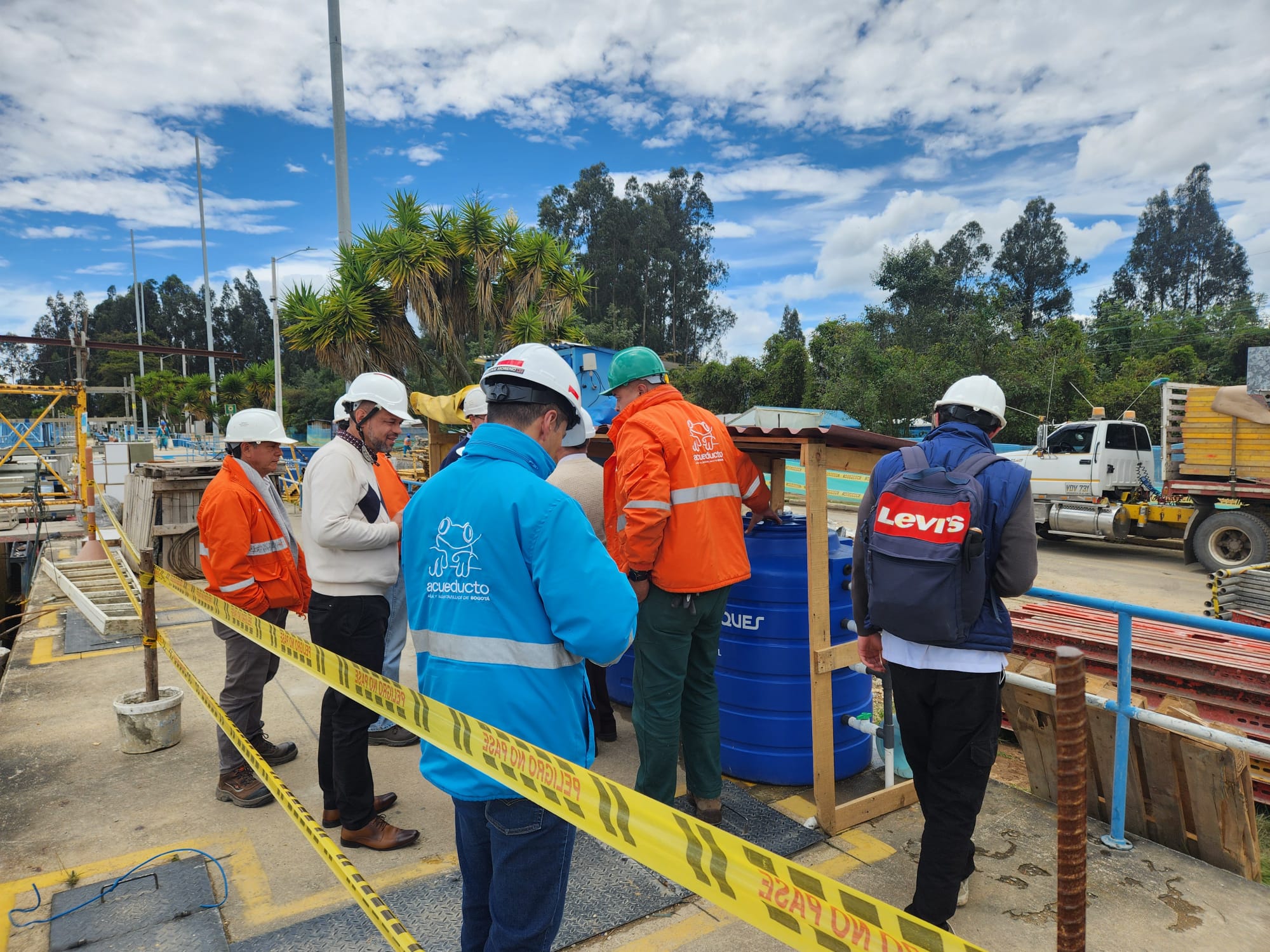
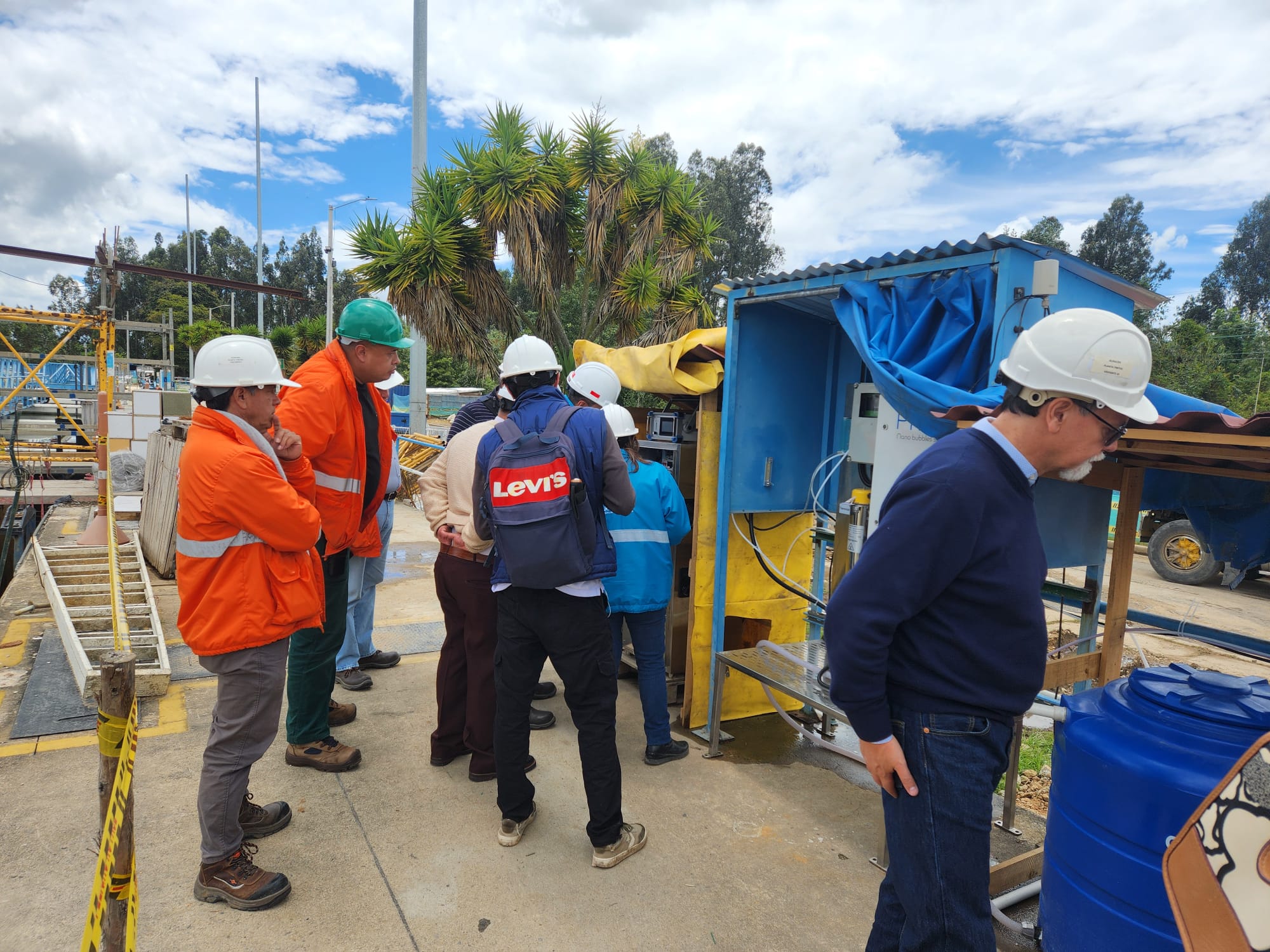
Results: Complete pathogen removal and a new treatment paradigm
Pilot testing achieved the critical outcome: 100% removal of Cryptosporidium and Giardia. For the first time, the plant had a validated method for reliably removing these chlorine-resistant organisms from its drinking water supply.
The PMnB ozone nano bubble system also succeeded where UV systems proved inefficient due to the low UVT levels of the source water, demonstrating effective pathogen removal under real site operating conditions.
The result challenged long-held assumptions about what was technically achievable at this treatment scale and water quality level.

Overall improvements
Pathogen elimination
Water quality
Operational
Frequently Asked Questions

Still have questions?
For assistance, please visit our Contact Us page.
Our dedicated team is ready to help you on your nanobubble journey.
How does PMnB nano bubble ozone compare to UV irradiation and activated carbon for removing contaminants like Cryptosporidium and Giardia?
UV irradiation is effective against protozoan pathogens but requires significant infrastructure at high treatment volumes, making it costly and complex to retrofit. Activated carbon improves general water quality and removes organic contaminants but does not reliably achieve the pathogen removal rates required for Cryptosporidium and Giardia. PMnB ozone nano bubble treatment delivers 100% removal of both organisms with a lower infrastructure footprint, no chemical inputs, and no residuals in the treated water.
Is the treated drinking water safe?
Yes. Ozone is a high-efficacy disinfectant precisely because it degrades rapidly. It breaks down in water and dissipates to the atmosphere, leaving no chemical residuals in the treated drinking water. Unlike chlorine-based disinfection, it does not produce halogenated by-products. The water entering the distribution network is clean and compliant with drinking water standards.
Can PMnB systems be retrofitted into an existing water treatment plant without civil reconstruction?
Yes, and this was a key factor in the Tibitó selection. The PMnB system is deployed as a self-contained unit that integrates into existing treatment processes without requiring new civil infrastructure, additional basins, or extended construction timelines. The pilot unit was shipped from Israel and commissioned on-site with minimal disruption to ongoing operations.
How was the pilot validated and what did the testing protocol involve?
A full-scale pilot system was built in Israel and then shipped to the Tibitó plant in Colombia, where it was tested directly on the plant’s source water in controlled conditions alongside the engineering team. The pilot tested removal performance across the key target organisms. It demonstrated 100% removal under real operating conditions before any decision to proceed to full deployment was made.
What treatment volumes and water quality conditions can PMnB systems handle?
PMnB systems are scalable across a wide range of municipal treatment volumes. The Tibitó installation operates at 500,000 m³/day, one of the largest drinking water treatment applications in Latin America. System configuration (number of units, installed power) is matched to the specific treatment volume and source water quality of each site.
How does PMnB perform against other chlorine-resistant pathogens beyond Cryptosporidium and Giardia?
Ozone is a broad-spectrum oxidant effective against a wide range of microorganisms, including bacteria, viruses, and protozoa. Its mechanism is direct oxidation at the cellular level, which is not dependent on the biological vulnerabilities that chlorine-resistant organisms exploit.
How does nano bubble ozone treatment support health authority compliance for large municipal water supplies?
Ozone is a broad-spectrum oxidant effective against a wide range of microorganisms, including bacteria, viruses, and protozoa. Its mechanism is direct oxidation at the cellular level, which is not dependent on the biological vulnerabilities that chlorine-resistant organisms exploit.
