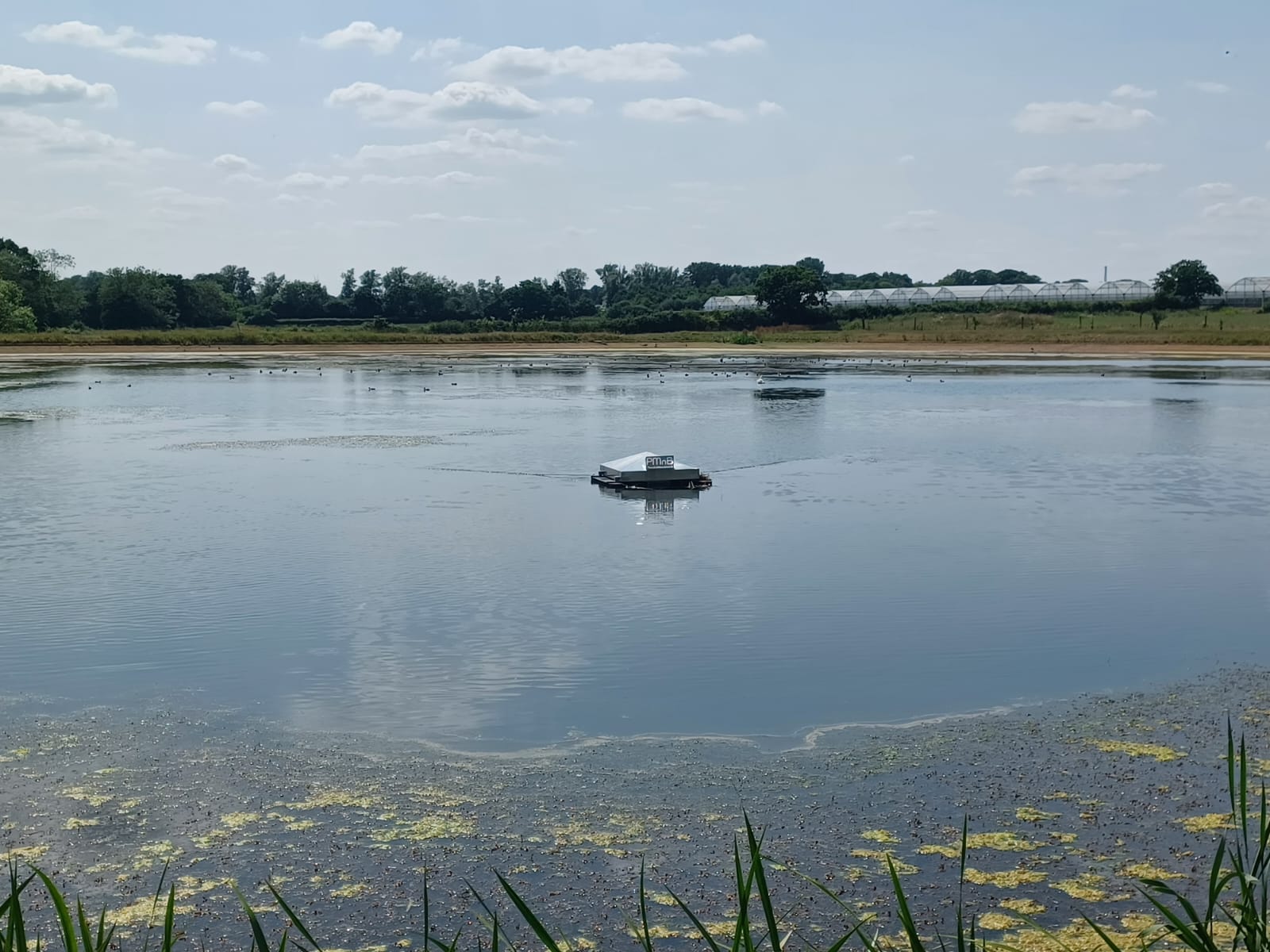
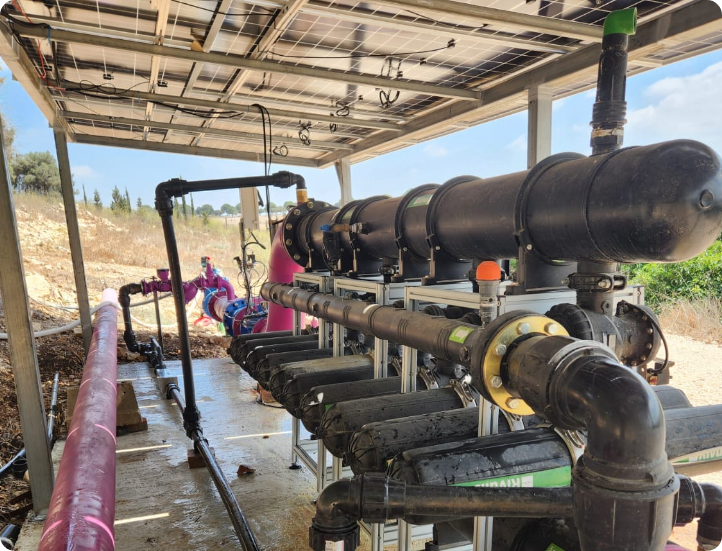
PMnB is an advanced water and wastewater treatment technology deployed worldwide across municipal, industrial, agricultural, and environmental applications.
Up to
BOD
reduction
Up to
TSS
removal
Up to
energy
cost savings
Up to
chemical-free
Explore how PMnB is applied across different treatment challenges and operating environments.
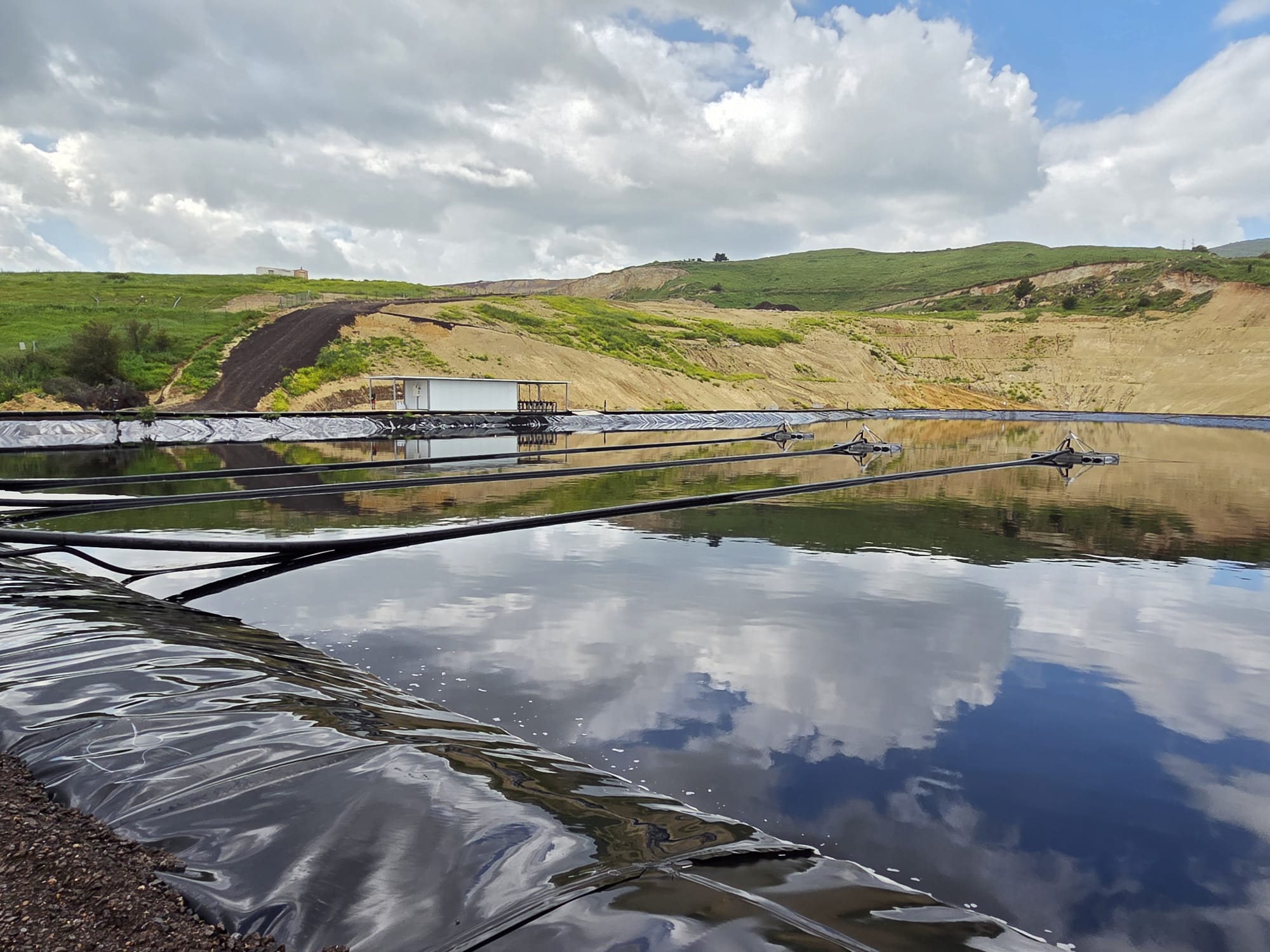
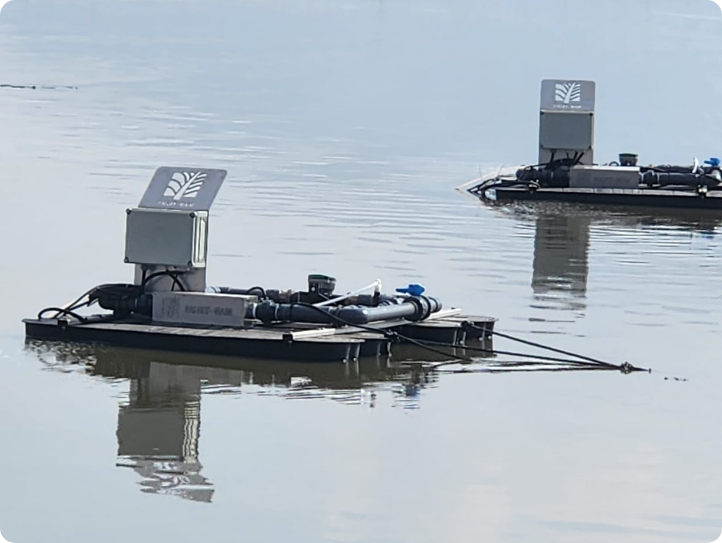
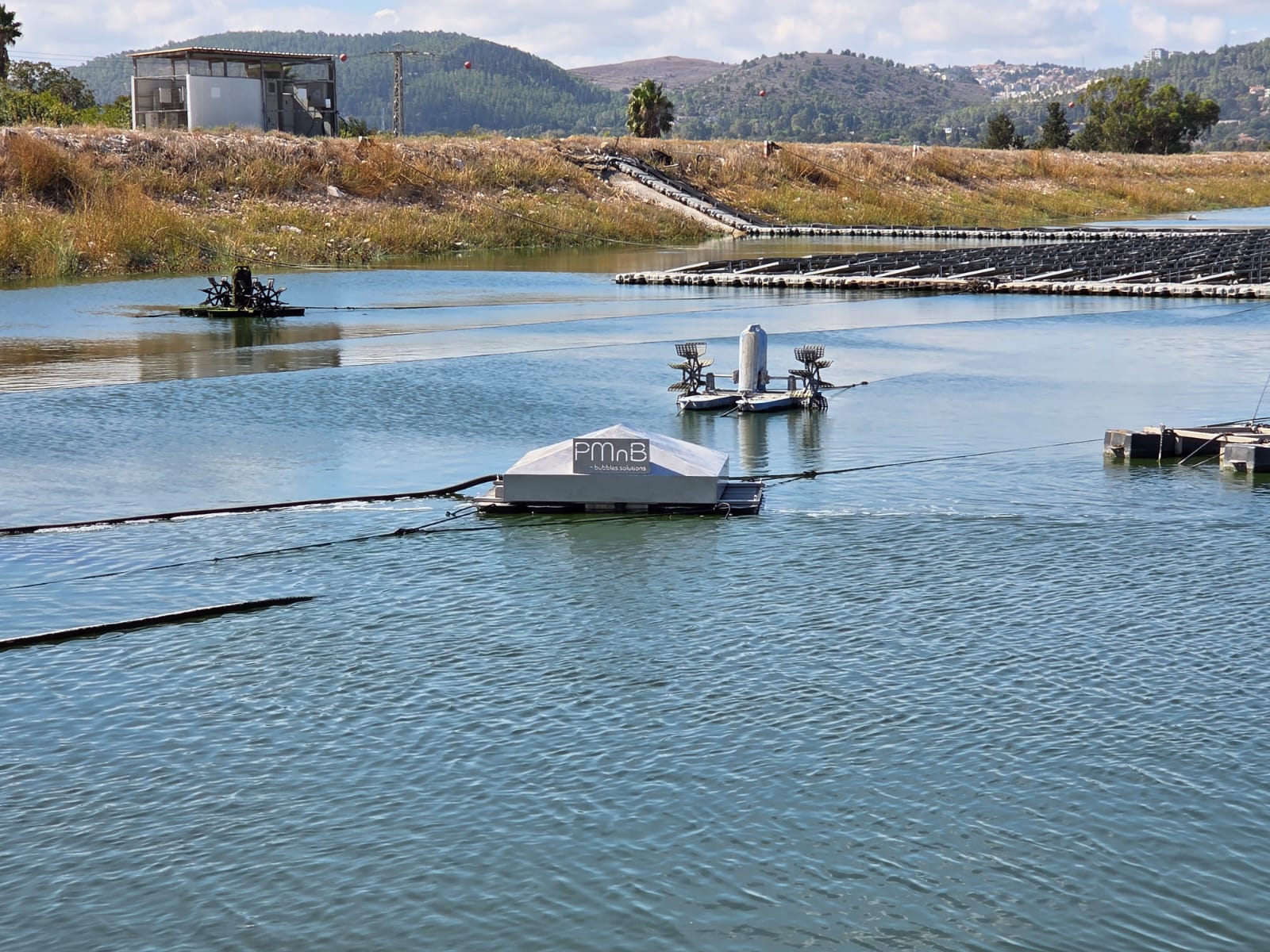
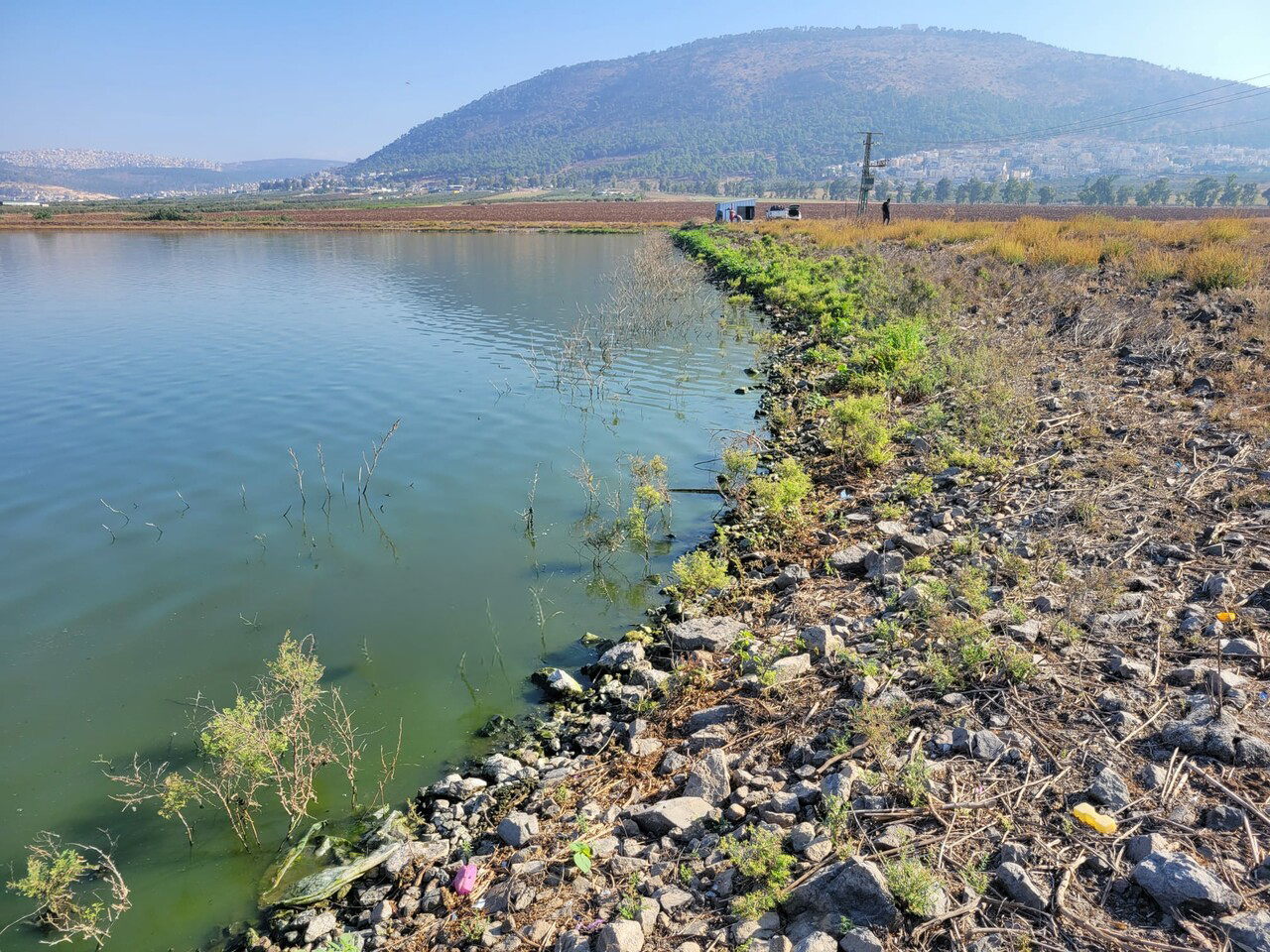
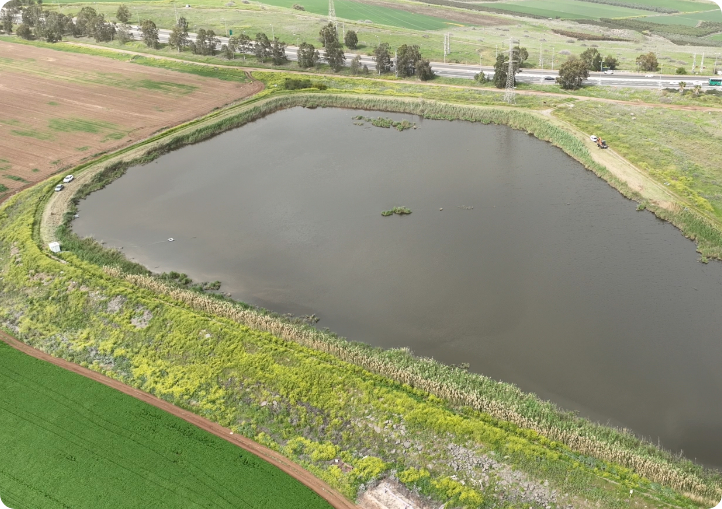
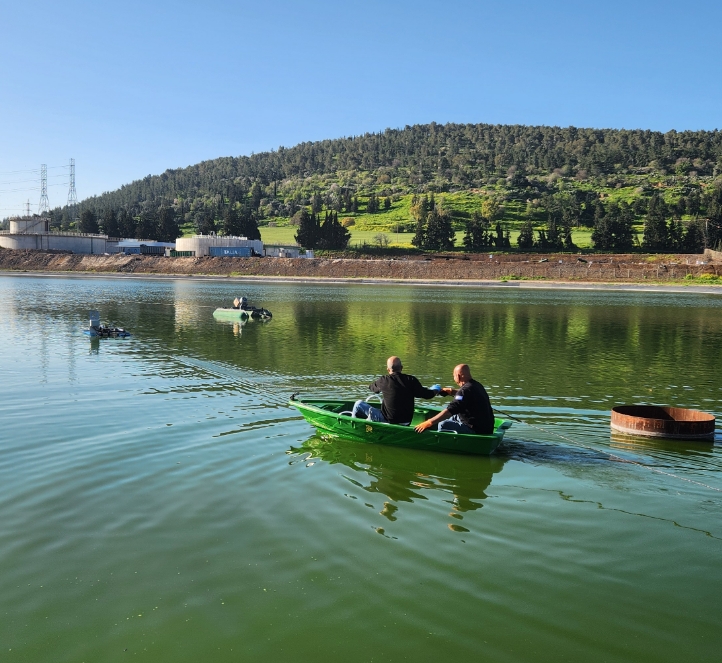
A wastewater treatment upgrade reduced effluent quality in a 390,000 m³ reservoir. PMnB restored treatment performance using floating ozone nano bubble systems.
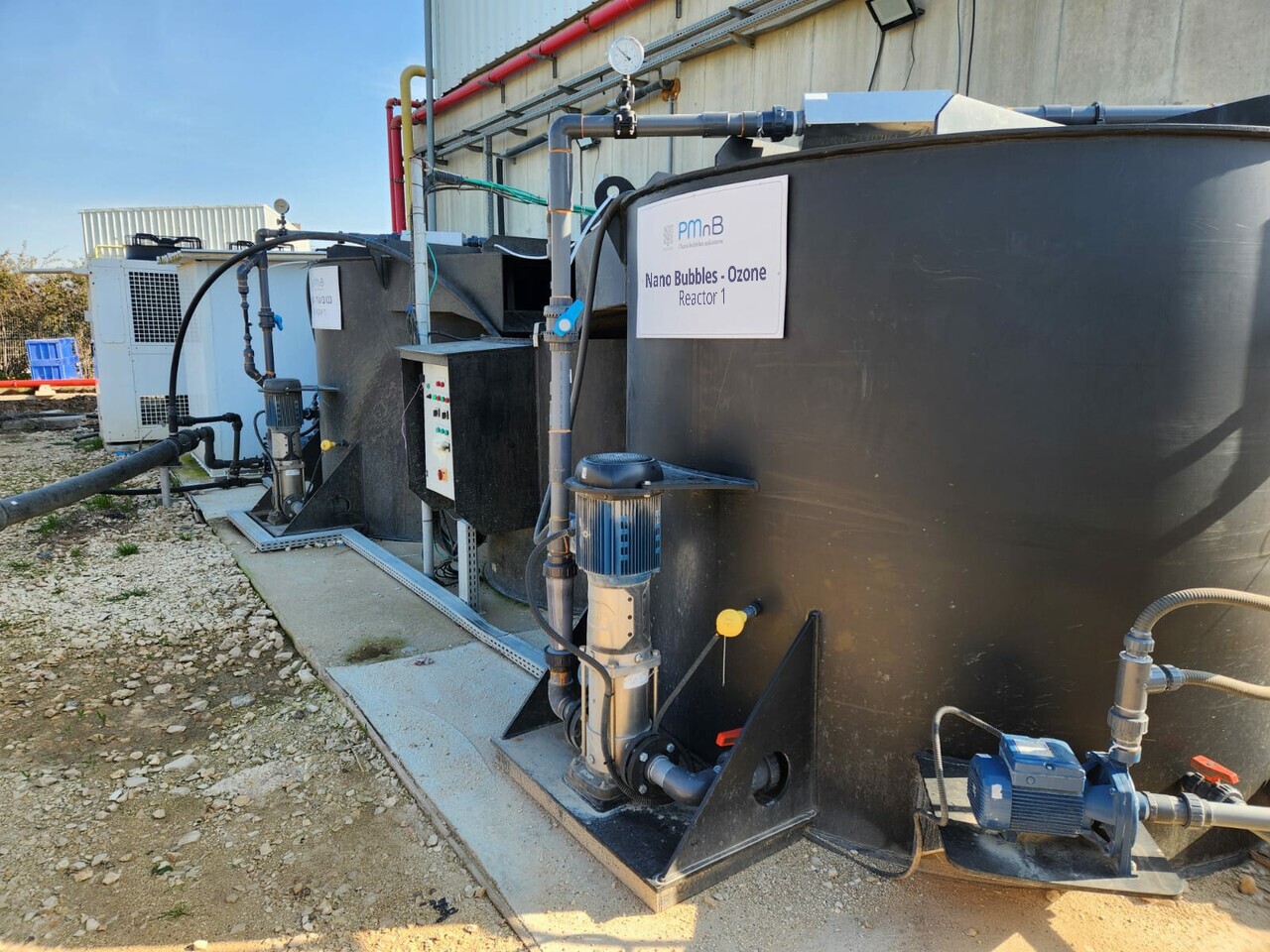
A landfill site required a solution to prevent odor formation and stabilize leachate stored in a 49,500 m³ evaporation pond. PMnB installed ozone-based nanobubble systems to maintain aerobic conditions and control sulfide-related issues without chemical dosing.
Bring your treatment target, system layout, and current challenge. We’ll help you evaluate fit, integration requirements, and the role PMnB can play in your process.
Expand your portfolio with chemical-free water and wastewater treatment technology backed by engineering expertise, global validation, and partner support.
For assistance, please visit our Contact Us page.
Our dedicated team is ready to help you on your nanobubble journey.
PMnB has been deployed in extensive municipal wastewater reservoirs ranging from 300,000 m³ to 3,000,000 m³, improving effluent quality without replacing existing wastewater treatment plants.
In multiple case studies:
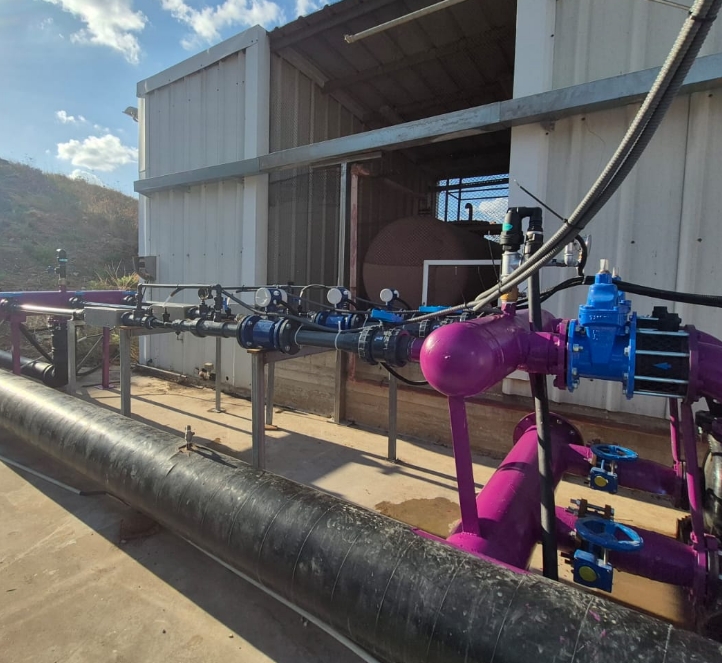
Floating ozone nano bubble systems integrate with centralized systems and municipal sewers without major infrastructure changes.

Yes. Several case studies demonstrate that PMnB was implemented:
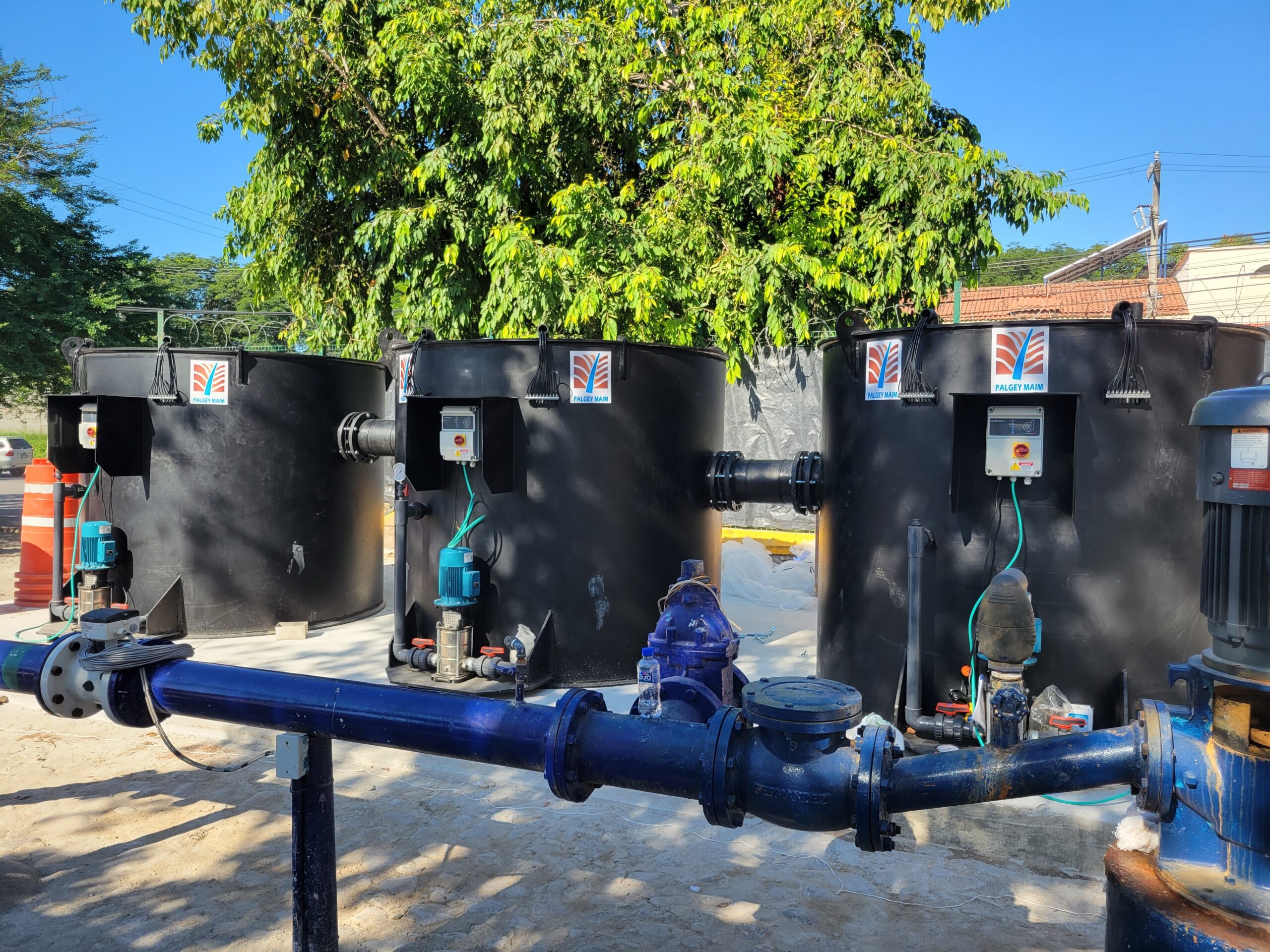
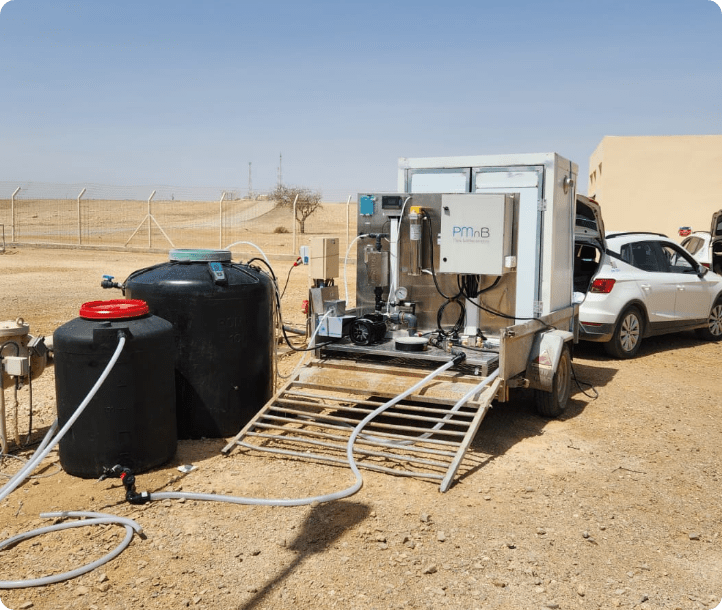
The systems are modular and deployable without rebuilding treatment plants or modifying sanitary sewer infrastructure, and can also be integrated into decentralized treatment configurations, including septic systems and on-site wastewater solutions.
Across municipal and industrial wastewater treatment facilities, PMnB has delivered:
Operators benefit from lower chemical dependency while maintaining compliance with quality standards.
Industrial wastewater management and reservoir systems often experience variable influent quality.
Case studies show:
This demonstrates resilience under real operating conditions.
Energy consumption is a major cost driver in treatment plants.
Results achieved across deployments:
This significantly improves lifecycle cost performance.
Yes. Documented case studies demonstrate scalable deployment:
The technology supports both centralized wastewater treatment plants and decentralized reservoir-based systems.
Several case studies show restoration of irrigation reuse approval through improved wastewater treatment performance.
Outcomes include:
This enables safe reuse of treated municipal wastewater in agriculture and aquaculture environments.