When reservoir water quality deteriorated due to algae growth and biofilm formation, irrigation systems began experiencing blockages and disruption. PMnB deployed floating ozone nano bubble systems to restore reservoir water quality and ensure consistent irrigation delivery.
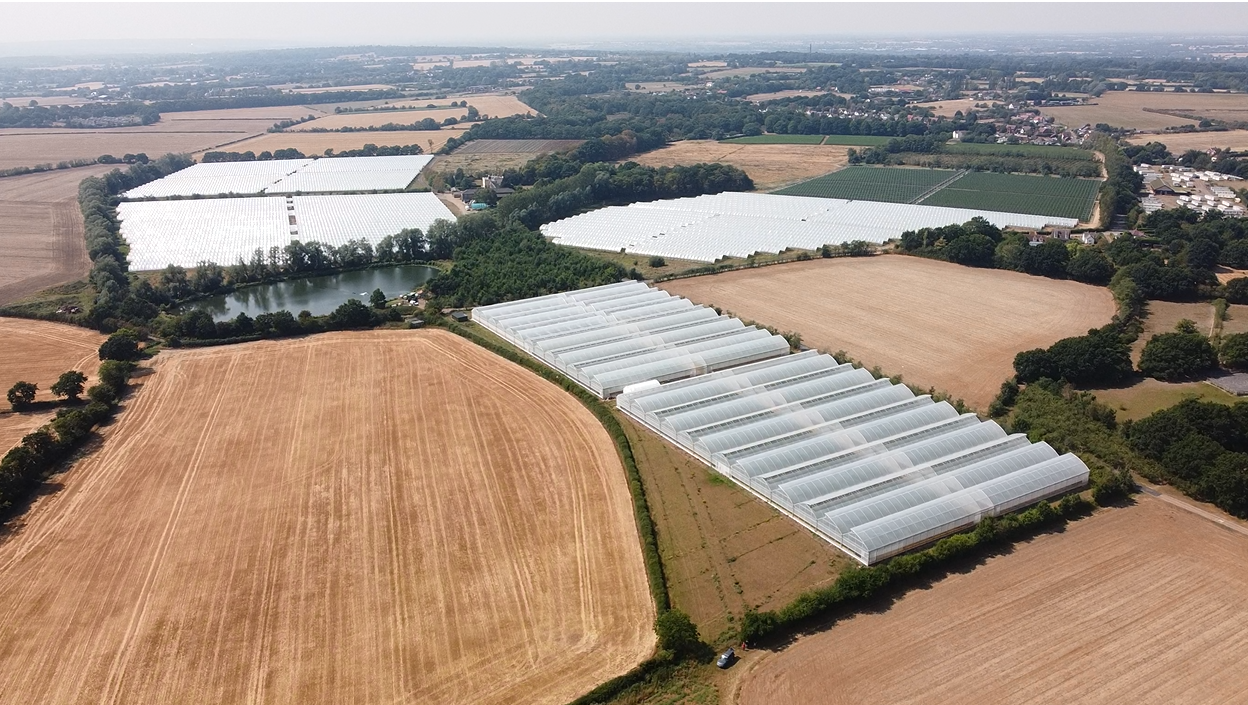
Wilkin & Sons operates two primary farming sites with a combined reservoir capacity of approximately 150,000 m³. These reservoirs collect surface water, rainwater, and treated wastewater from the company’s jam production facility.
Over time, several operational problems emerged:
Before implementing PMnB technology, Wilkin & Sons tested several water treatment methods. Each approach presented operational challenges. UV systems struggled with turbidity and biofilm buildup, while chemical treatments increased costs and introduced additional complexity.
Despite these efforts, algae growth and irrigation system clogging continued.
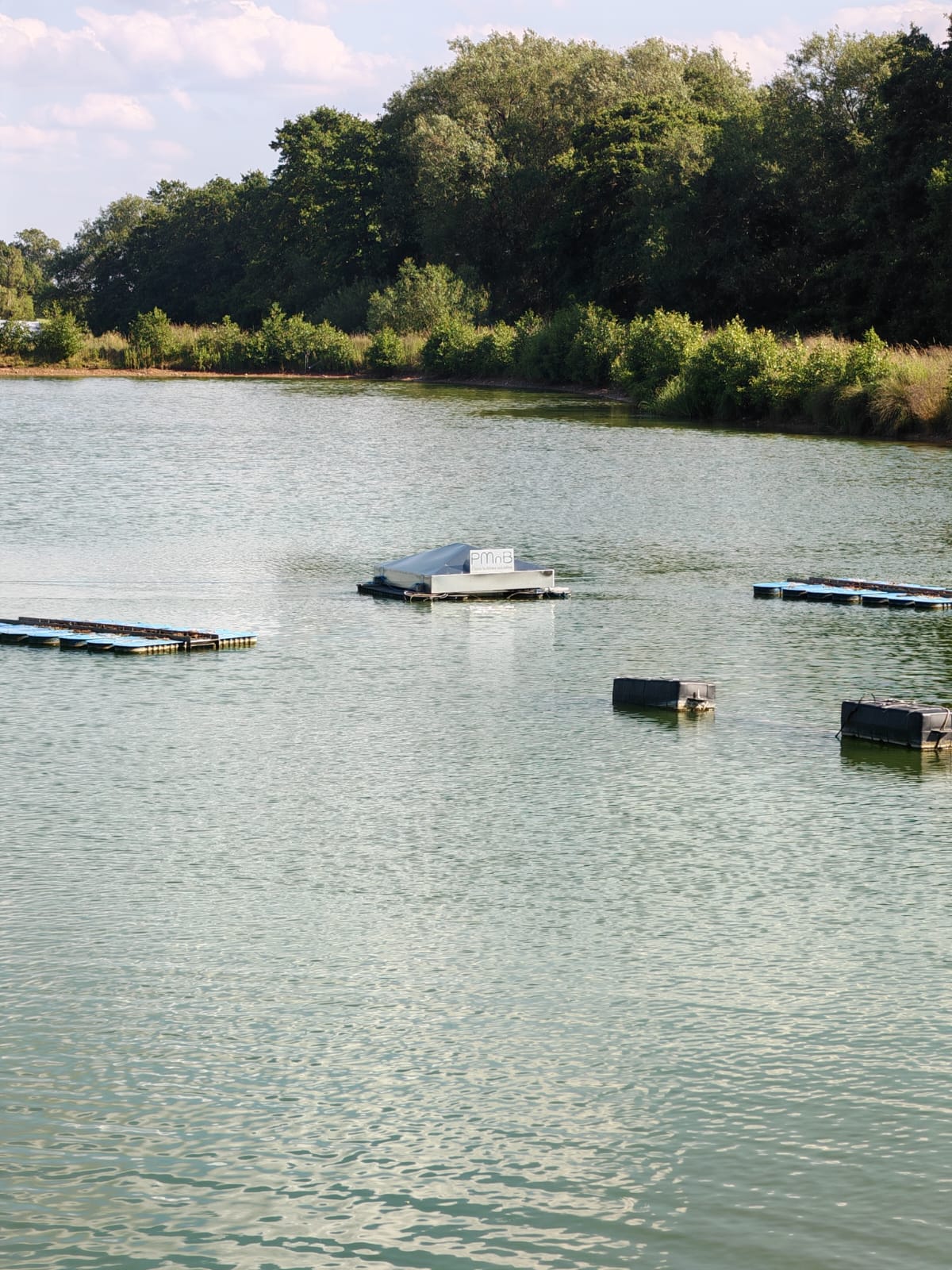
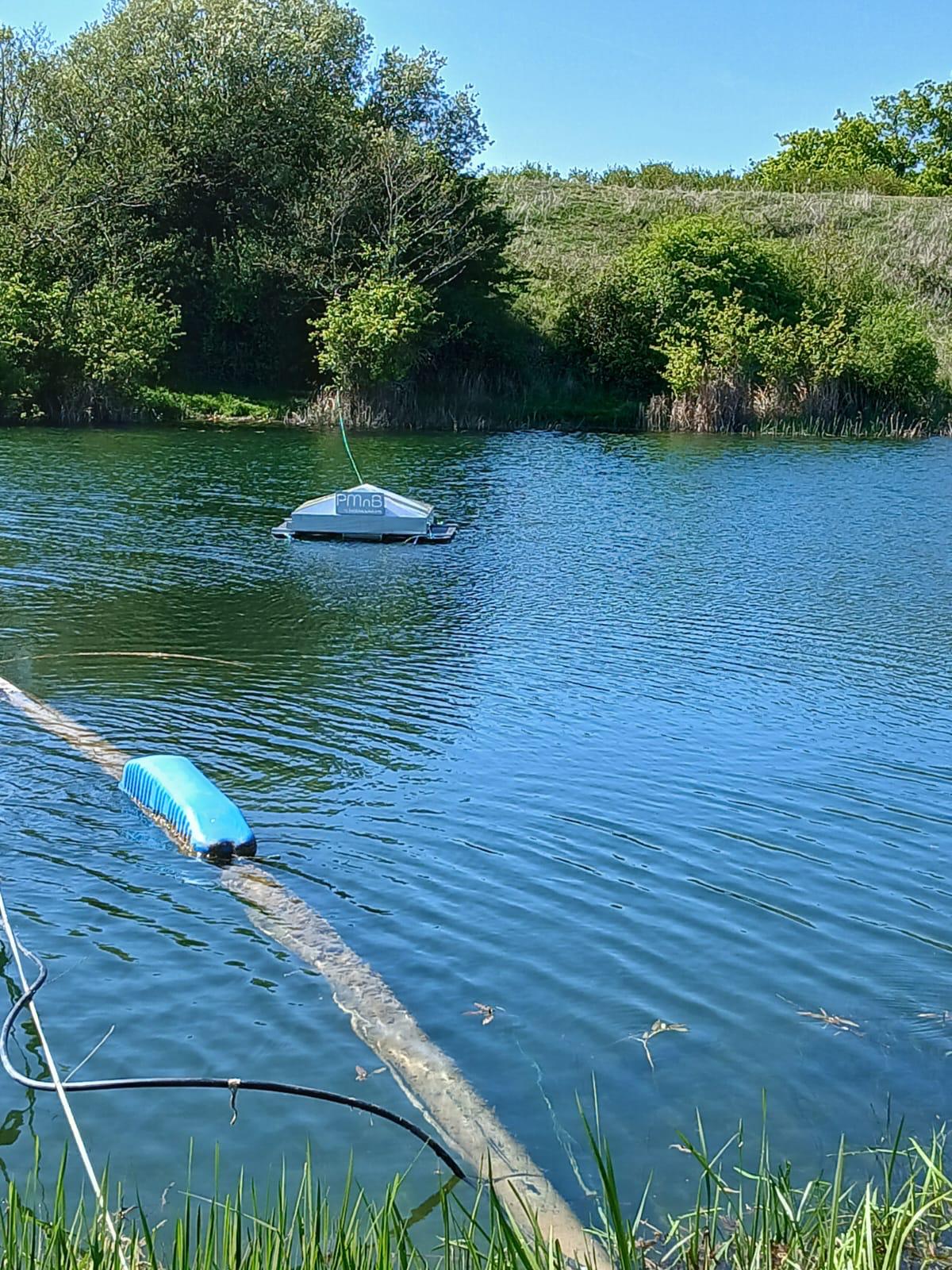
Two PMnB floating ozone nano bubble systems were installed directly within irrigation reservoirs. These systems generate ultra-fine nano bubbles that remain suspended in water, enabling efficient gas transfer and oxidation throughout the reservoir.
Following a successful pilot installation, they expanded the deployment to three PMnB systems, ensuring that every reservoir supplying irrigation water is treated.
Installation was straightforward and required minimal disruption as the unit comes as one system. Once it is connected to power, it runs automatically.


Following installation, the impact was immediately visible. During the warm and sunny 2025 growing season, reservoir water remained clean and algae-free.
For high-value crops such as strawberries and raspberries grown using precision drip irrigation, reliable water delivery is essential.
By stabilizing reservoir water quality, PMnB ensured that irrigation systems could deliver water exactly when crops needed it
The PMnB system enabled the Wilkin & Sons reservoirs to maintain stable irrigation water quality, ensuring:
The farm reported strong satisfaction with system performance, and irrigation reliability improved throughout the growing season under ongoing operation.
“2025 was one of the warmest and brightest years on record, and without the system in place, we would have struggled massively. But with the system, we’ve seen zero, absolutely zero algae. That’s the ultimate proof that the system works.”
Speak with a PMnB engineer to evaluate your irrigation water treatment process and identify opportunities to improve water quality, stabilize irrigation systems, and support sustainable agricultural water management.
Expand your portfolio with chemical-free water and wastewater treatment technology backed by real engineering, global validation, and partner support.
For assistance, please visit our Contact Us page.
Our dedicated team is ready to help you on your nanobubble journey.
Algae growth in irrigation reservoirs is typically driven by sunlight, warm temperatures, and nutrients in the water. In agricultural reservoirs that collect surface water, rainwater, or treated process water, these conditions can lead to rapid algae blooms that affect water quality and irrigation reliability.
Algae can block filters, contribute to biofilm formation inside irrigation lines, and increase dripper clogging in precision irrigation systems. This can reduce irrigation uniformity, increase maintenance, and disrupt water delivery to crops when timing is critical.
Biofilm is a layer of microbial growth that builds up inside pipes and irrigation components. In drip irrigation systems, biofilm can narrow flow paths, trap particles, and increase the risk of blocked drippers, leading to uneven irrigation and higher maintenance requirements.
PMnB uses floating ozone nanobubble systems installed directly in the reservoir. These systems generate ultra-fine bubbles that remain suspended in the water, improving oxidation and helping control algae and microbial activity at the source before water enters the irrigation network.
Yes. This case study shows that reservoir water can be treated without ongoing chlorine dioxide or hydrogen peroxide dosing. After PMnB installation, Wilkin & Sons reported that no chemicals were used while maintaining clean reservoir water during the 2025 growing season.
Yes. Nanobubble systems can be used in agricultural reservoirs, irrigation lagoons, and other stored water bodies where algae growth, biofilm, and water quality issues affect downstream irrigation performance.