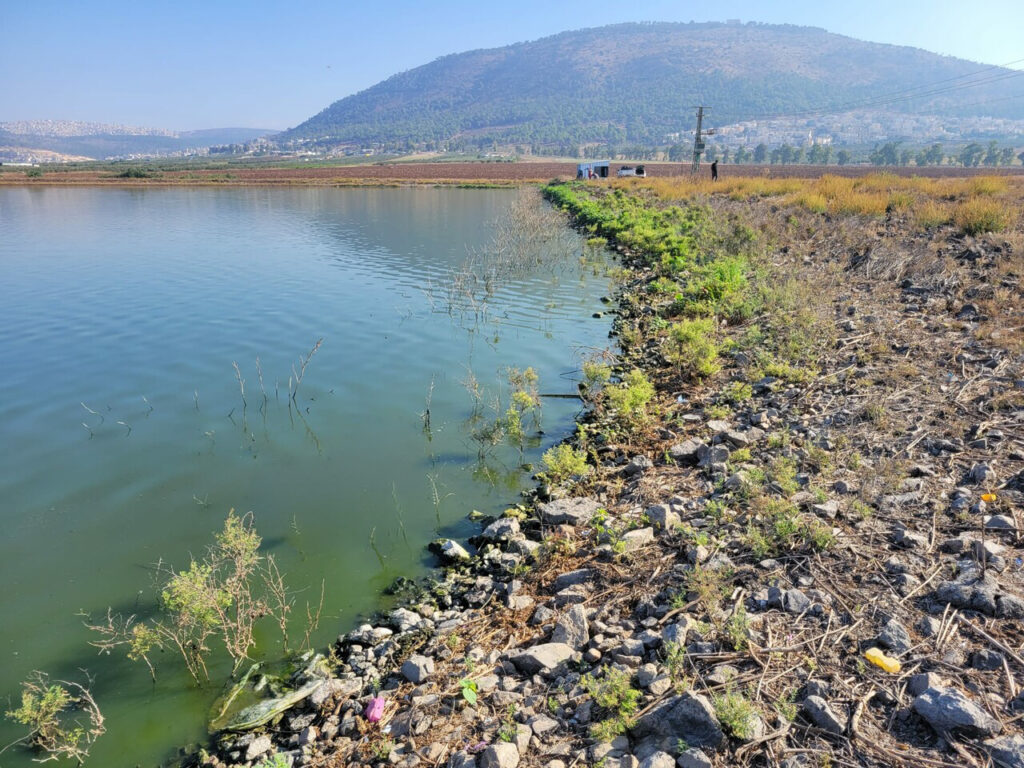
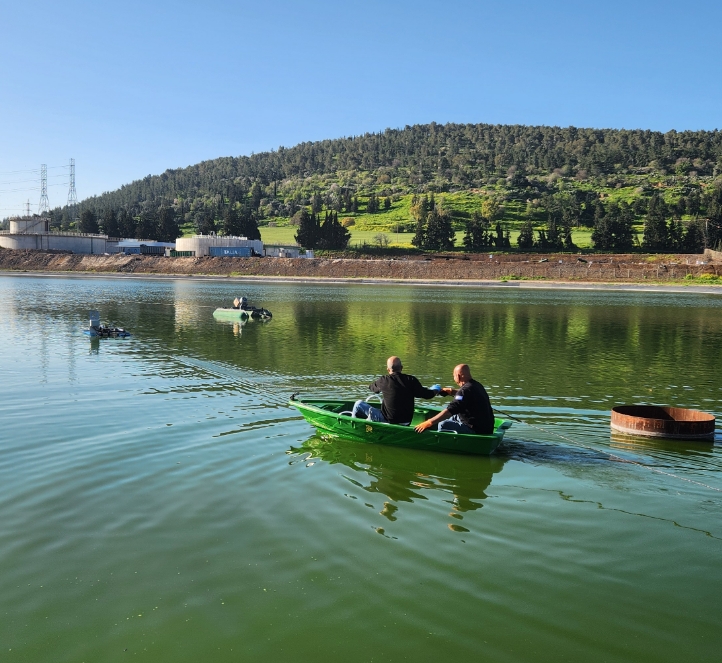
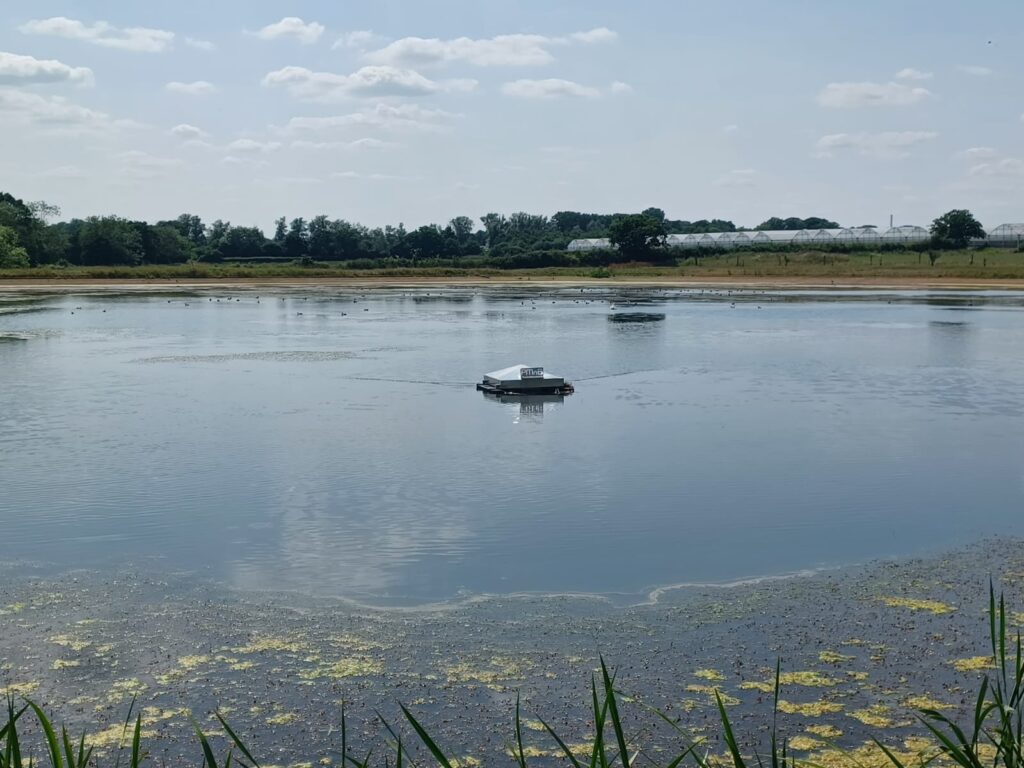
Lagoons and open water reservoirs have an open, large area and volume that makes algae growth and consistent oxygen control and biological stability difficult to maintain.
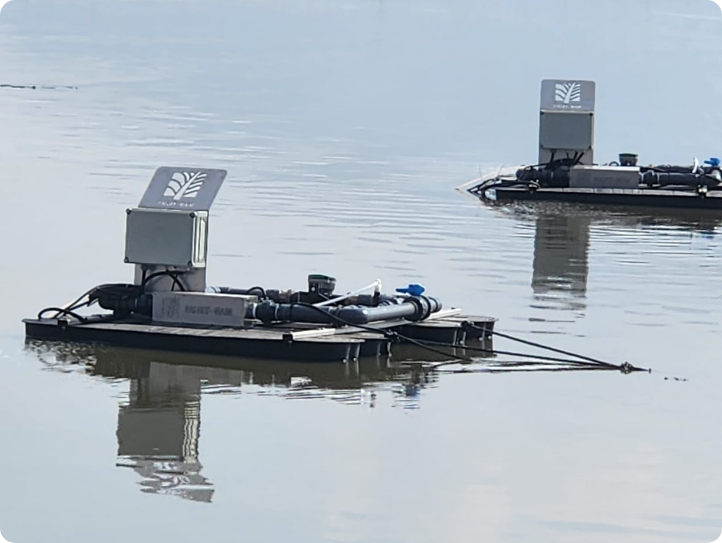
PMnB deploys stable nano bubbles to deliver dissolved gases such as ozone, oxygen, and air efficiently throughout large-volume water bodies. Because nano bubbles remain suspended rather than rapidly rising to the surface, they provide sustained gas transfer across the entire water column. This improves dissolved oxygen levels, enhances biological oxidation, and supports healthy lagoon bacteria populations responsible for organic breakdown.
PMnB enhances biological activity in facultative and aerated lagoons and water bodies by improving oxygen transfer efficiency throughout the basin. Improved organic breakdown leads to reduced sludge volume accumulation over time.

Potable water reservoirs used as drinking water supplies or source water for a water treatment plant require stable surface water quality. PMnB enables better source quality upstream, improving overall treatment process efficacy.
In public or environmentally sensitive surface water systems, chemical dosing can create regulatory and ecological challenges. Nanno bubbles offer a chemical-free route to oxygenation.
A wastewater treatment upgrade reduced effluent quality in a 390,000 m³ reservoir. PMnB restored treatment performance using floating ozone nano bubble systems.
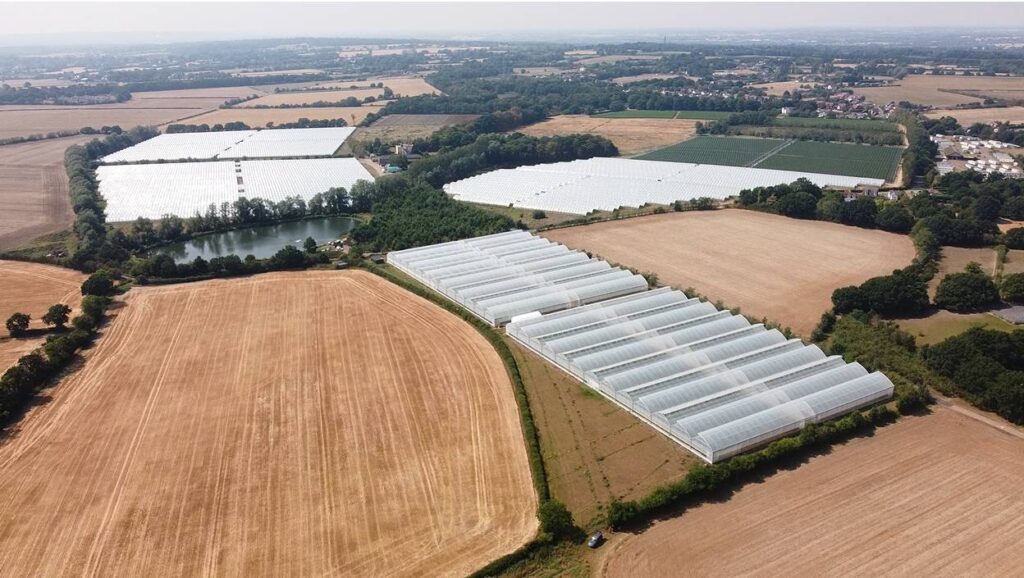
Poor reservoir water quality threatened reliable irrigation and crop health. PMnB was installed to control algae and biofilm in irrigation water.
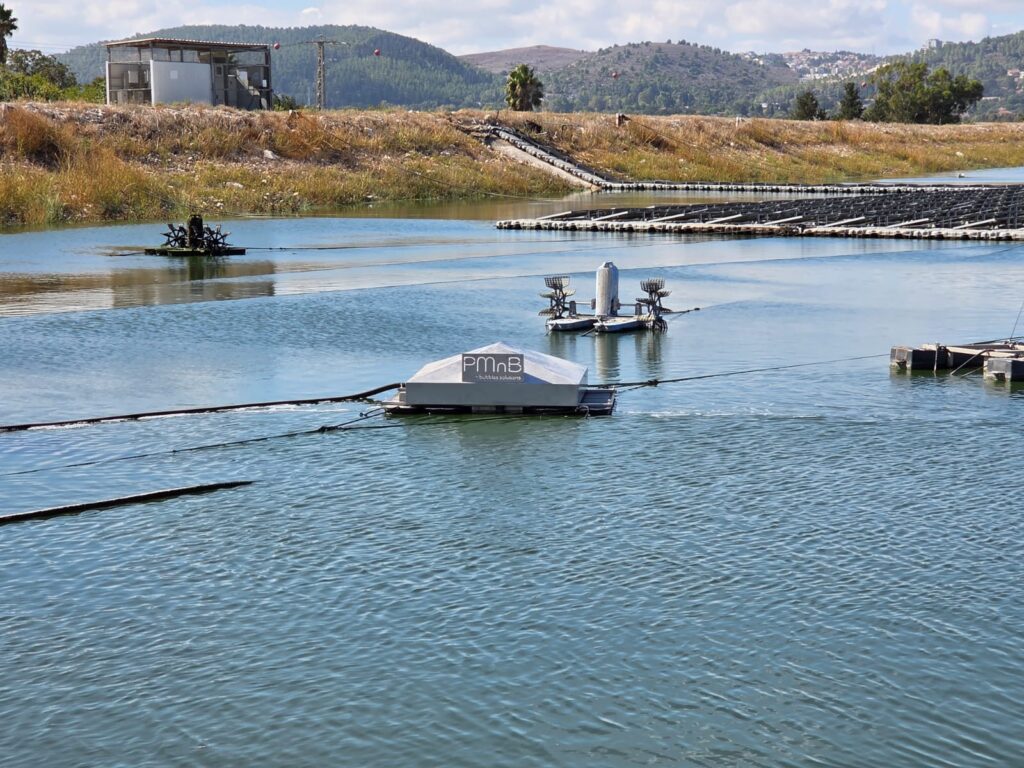
A 300,000 m³ reservoir receiving secondary-treated municipal effluent did not meet Ministry of Health quality requirements for irrigation reuse. PMnB was deployed using floating ozone nano bubble systems to improve oxidation and stabilize effluent quality without chemical dosing.
A large municipal wastewater reservoir system (500,000 m³ total volume, 2,500 m³/day flow) required advanced oxidation to meet Ministry of Health quality requirements for irrigation reuse. PMnB implemented floating ozone nano bubble systems to enhance oxidation efficiency and improve effluent quality.
A 370,000 m³ reservoir storing tertiary-treated wastewater experienced algae growth and declining effluent quality following irregular discharge during 2023, leading to disqualification for irrigation reuse. PMnB implemented floating ozone nano bubble systems to restore oxidation efficiency, control algae, and stabilize reservoir water quality.
A 30,000 m³ irrigation reservoir required algae and biofilm control to protect irrigation performance. PMnB improved water clarity and stabilized reservoir conditions.
PMnB lagoon and reservoir systems are designed to integrate into existing lagoon and reservoir systems.

Floating systems for large water reservoirs
Retrofit into existing aerated lagoons
Minimal civil works required
No chemical storage or handling
Scalable for both small communities and large municipal reservoirs
Speak with a PMnB engineer to identify opportunities to restore aerobic conditions, reduce odors and algae, and strengthen downstream treatment reliability.


Add a differentiated, chemical-free oxidation solution backed by documented case studies and global engineering experience.

For assistance, please visit our Contact Us page.
Our dedicated team is ready to help you on your nanobubble journey.
PMnB generates nano bubbles that remain suspended in water, allowing sustained oxygen transfer throughout the lagoon. This maintains stable dissolved oxygen levels and supports aerobic bacteria activity without excessive aeration energy.
Yes. PMnB is well suited for facultative lagoons where maintaining the balance between aerobic and anaerobic zones is critical. By increasing dissolved oxygen, PMnB helps prevent odor formation and stabilizes biological performance.
Absolutely. PMnB systems are scalable and can be deployed in lagoon wastewater treatment systems serving small communities, rural and tribal communities, and decentralized treatment facilities.
PMnB can replace, complement or reduce reliance on mechanical aeration. In some aerated lagoons, it significantly reduces energy demand while maintaining required dissolved oxygen levels.
Yes. By stabilizing source water in reservoirs and surface water bodies, PMnB improves oxidation conditions before water enters a water treatment plant, supporting more consistent drinking water treatment performance.
By supporting stable aerobic bacteria populations, the system reduces anaerobic conditions that generate sulfides and odors. Improved oxidation can also help limit excessive sludge volume accumulation over time by enhancing the breakdown of solids before they settle. In lagoons connected to activated sludge or other downstream treatment facilities, more stable upstream conditions support more consistent overall treatment performance.
Improved breakdown of organic materials supports better BOD and COD reduction prior to discharge, tertiary filtration, or reuse. Whether integrated into primary treatment lagoons, polishing reservoirs, or tertiary processes, PMnB strengthens compliance with discharge and reuse standards without adding chemical dosing infrastructure.