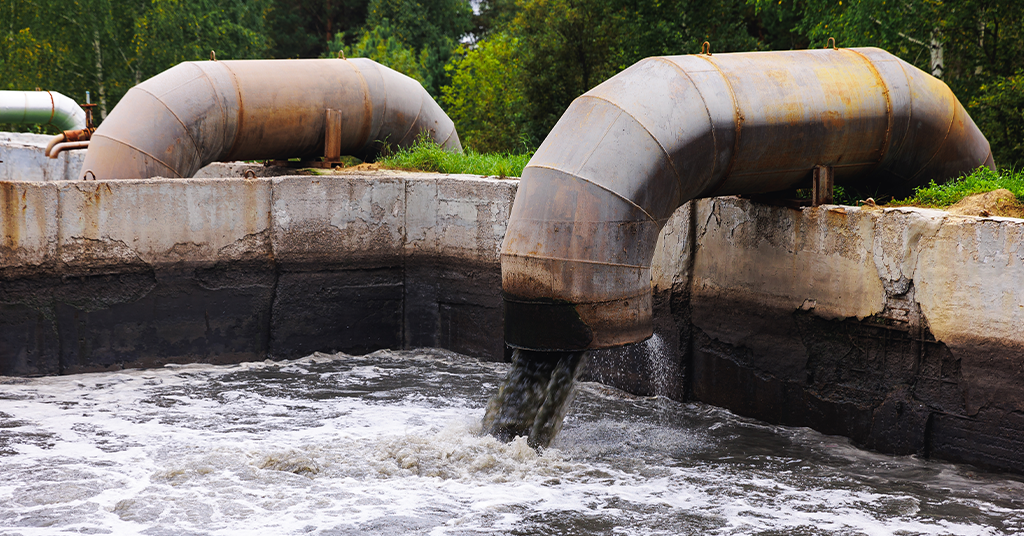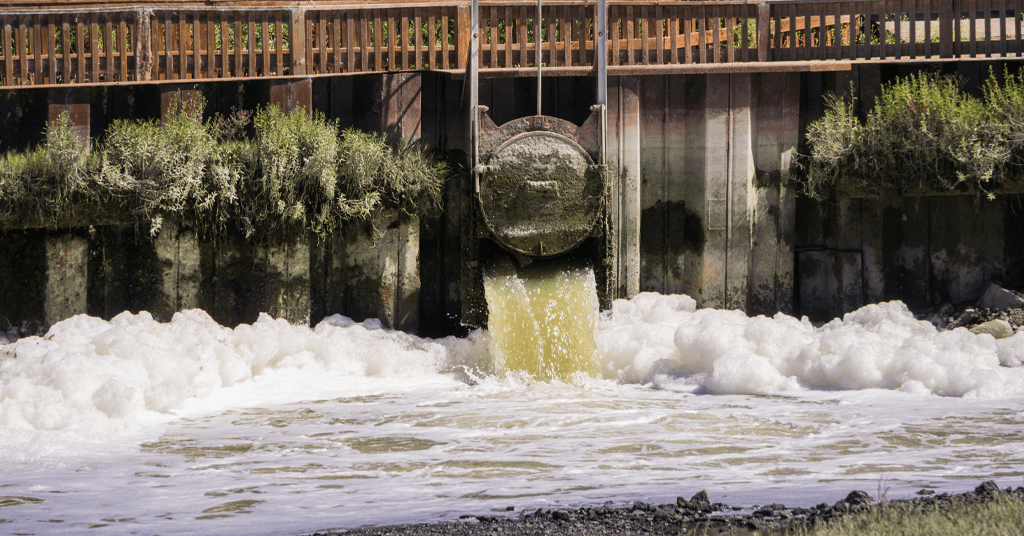
Hydrogen sulphide (H2S) in wastewater is a toxic gas associated with strong odours, worker safety risks and infrastructure corrosion. It forms when oxygen is depleted and sulfate-reducing bacteria begin converting sulfate in the wastewater into sulphide.
For operators, the first warning is often the familiar rotten-egg smell around pumping stations, wet wells or treatment areas. But odour is only part of the problem. H2S can become hazardous at higher concentrations and, once released into the sewer atmosphere, can contribute to severe concrete corrosion.
This article explains what causes hydrogen sulphide in wastewater and where it tends to form. We also discuss its importance in wastewater treatment, as well as the main options for controlling it before it becomes an operational problem.
What is hydrogen sulphide in wastewater?
Hydrogen sulphide in wastewater is a dissolved sulphide compound that can be released as H2S gas when conditions allow. Wastewater is used water from homes and industry, including water from toilets, kitchens and industrial processes. Alongside phosphorus and nitrogen, it can carry sulphur compounds from human waste and other organic material.
As oxygen becomes depleted, sulphide can build up in the water and escape into the air as H2S gas. Hydrogen sulphide, also spelled hydrogen sulfide, is the form responsible for the characteristic rotten-egg odour.
What causes H2S in wastewater?
H2S forms when wastewater becomes anaerobic and sulfate-reducing bacteria (sometimes referred to more loosely as sulfur reducing bacteria) convert sulfate into sulphide. This is most likely where wastewater sits or moves slowly for long periods and dissolved oxygen is depleted.
Common problem areas include long rising mains, pumping-station wet wells, slow-moving sewers and sludge tanks. Formation can accelerate in warm weather and with longer retention times. It is also more likely where wastewater carries a high concentration of organic matter, such as in industrial wastewater streams.
The main conditions that increase H2S risk are:
- Low or depleted dissolved oxygen
- Long retention times
- Warm wastewater
- High organic loading
Why is H2S a problem? Odour, health and corrosion risks
Odour complaints
H2S has a distinctive rotten-egg smell and can be detected at very low concentrations. In collection systems and treatment plants, even relatively small releases can create persistent sewer odour around pumping stations, wet wells and nearby properties.
Risks to human health
H2S gas is toxic, and odour should never be treated as a reliable warning system. At higher concentrations, exposure can impair the sense of smell, meaning workers may stop noticing the gas even as concentrations rise. The EU indicative occupational exposure limits are 5 ppm over eight hours and 10 ppm over 15 minutes.
Sulfuric acid corrosion
H2S also contributes to serious infrastructure damage. Once it enters the sewer atmosphere, microorganisms on moist surfaces can oxidise it to sulfuric acid. Over time, this can attack concrete and contribute to corrosion in pipe crowns, manholes and other exposed infrastructure.
What are the treatment options for H2S in wastewater?
H2S treatment can target the problem at different stages, from suppressing sulphide formation in the wastewater to removing H2S after it enters the air. The right approach depends on where the problem occurs and whether the priority is prevention, sulphide removal or odour treatment.
| Treatment option | How it works | Where it acts | Main trade-off |
| Chemical dosing | Iron salts bind dissolved sulphide, while nitrate and other chemicals can suppress or alter sulphide formation | In the wastewater | Requires ongoing chemical handling, dosing and control |
| Air extraction and scrubbing | Captures H2S gas and treats the extracted air using scrubbers or biofilters | After H2S has entered the gas phase | Controls emissions rather than the underlying anaerobic conditions |
| Oxygenation or aeration | Raises dissolved oxygen, helping suppress sulfate reduction and oxidise dissolved sulphide | In the wastewater, before gas release | Performance depends on maintaining sufficient oxygen where H2S tends to form |
In practice, each treatment removes, transforms or prevents H2S at a different point in the process.
How can H2S be controlled without chemicals?
Chemical-free H2S control focuses on maintaining aerobic conditions where sulphide would otherwise form. Raising dissolved oxygen suppresses sulfate-reducing bacteria and can also promote oxidation of dissolved sulphide before it accumulates and escapes as H2S gas.
Nanobubble oxygenation is one way to do this. Because nanobubbles remain suspended in water for longer than conventional bubbles, they can improve gas transfer and help maintain dissolved oxygen in wet wells, tanks, sludge systems and other high-risk areas.
PMnB Technologies, a European nanobubble water treatment company backed by Palgey Maim’s engineering heritage, uses nanobubble oxygenation to help maintain aerobic conditions and enhance sulphide oxidation where H2S formation typically occurs. This provides a chemical-free approach to odour and sulphide control at source.
Talk to an engineer about H2S control.