


Activated Sludge Bulking and Foaming: Causes, Warning Signs and How to Fix Them
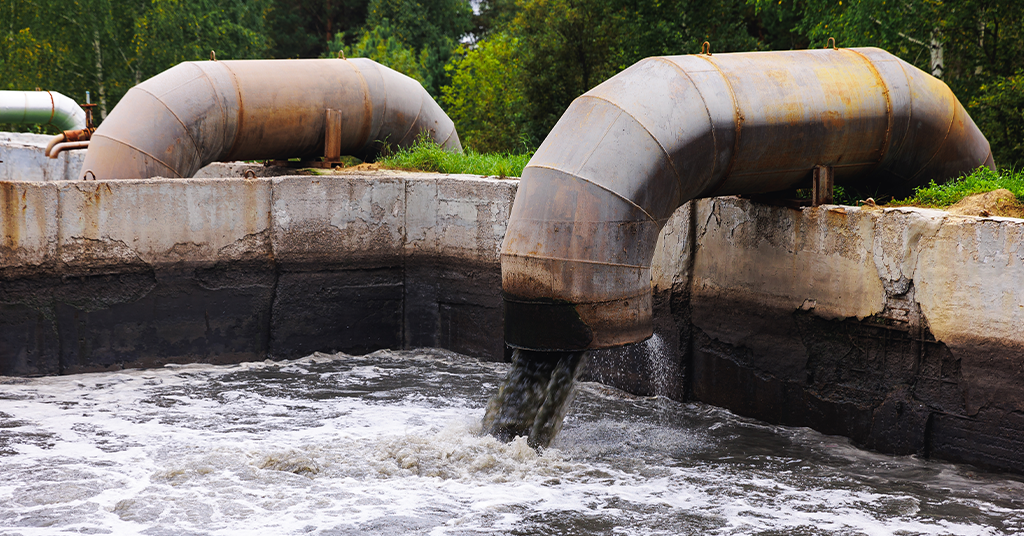
Activated sludge bulking happens when sludge settles and compacts poorly in the secondary clarifier, most often because filamentous microorganisms have become excessive. Foaming is a related problem where stable foam or scum builds up on the aeration tank surface.
Iron and Manganese in Water: Causes, Warning Signs and Oxidation-Based Treatment for Well Water

Iron and manganese in water usually come from rocks and soil in the Earth’s crust, dissolved by groundwater that is low in oxygen. When that water is pumped to the surface and exposed to air, the dissolved metals can oxidise, causing staining, metallic taste, deposits and filter clogging.
Hydrogen Sulphide (H2S) in Wastewater: Causes, Odour Risks and Chemical-Free Control
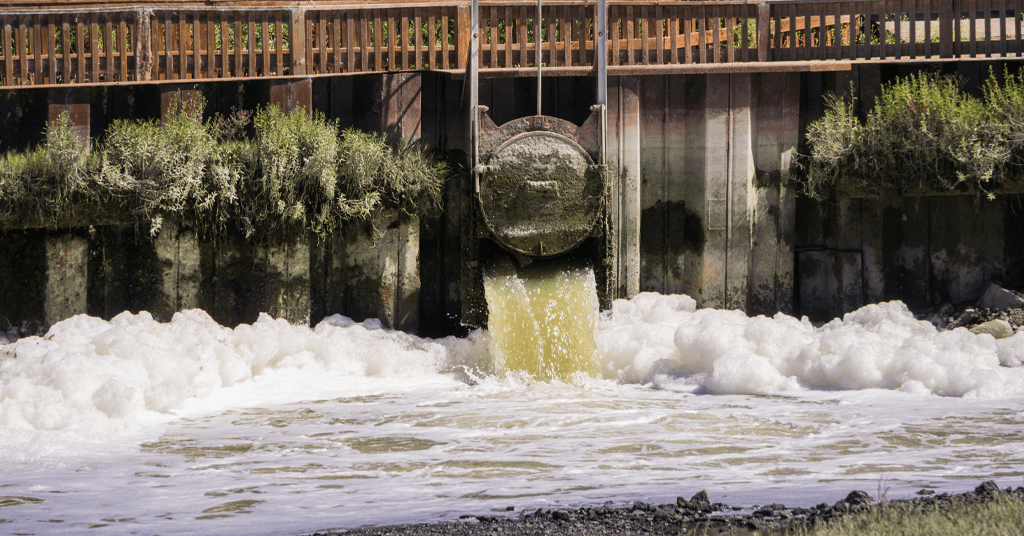
Hydrogen sulphide (H2S) in wastewater is a toxic gas associated with strong odours, worker safety risks and infrastructure corrosion. It forms when oxygen is depleted and sulfate-reducing bacteria begin converting sulfate in the wastewater into sulphide.
How Water Quality Affects Aquaculture & Fish Farming, and Where Nano bubbles Can Help
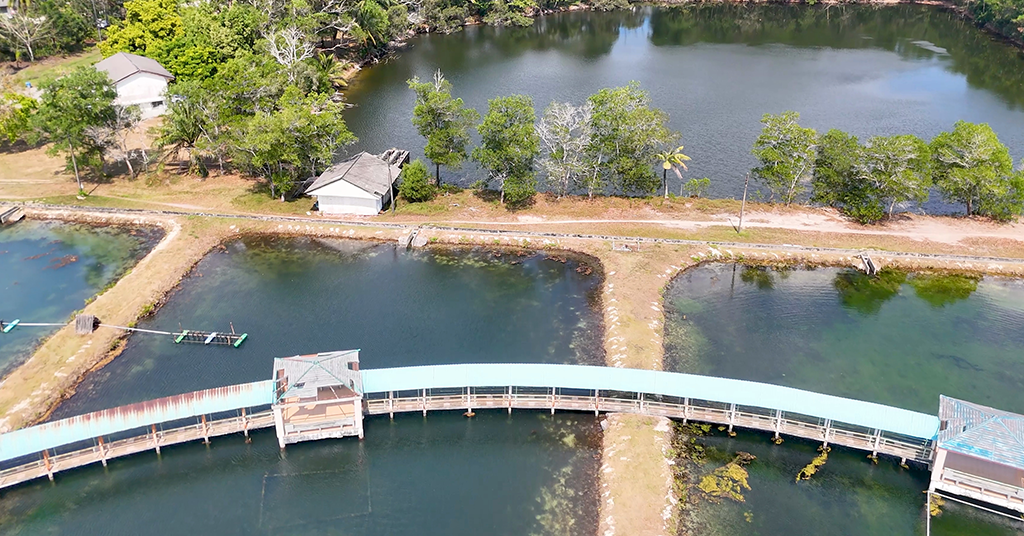
In aquaculture, water quality can set a hard ceiling on production. Poor water quality can quickly turn healthy stock into slower growth, higher stress, disease pressure, and avoidable mortality.
Wastewater Aeration Methods: Comparing Systems
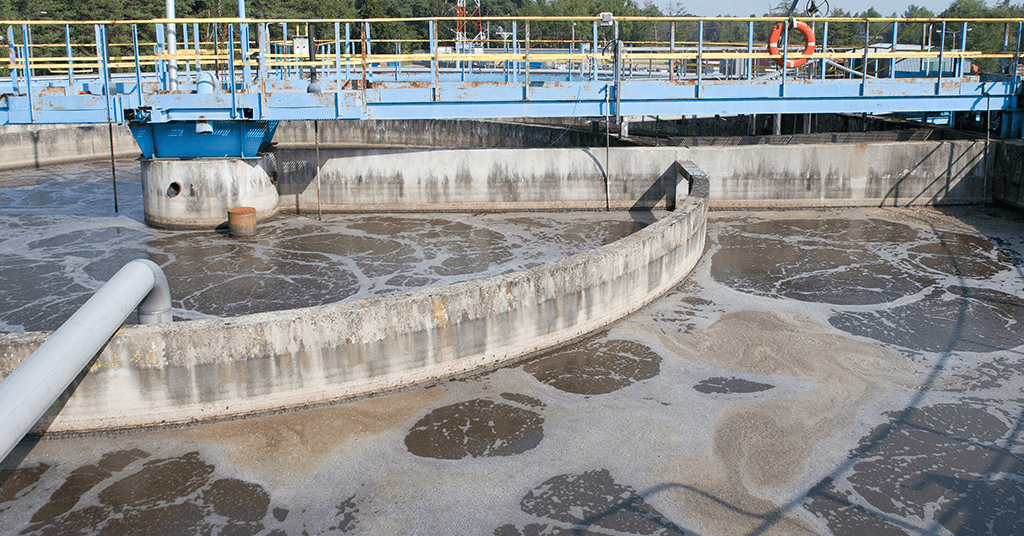
Aeration is essential to aerobic wastewater treatment and is also one of the plant’s largest energy loads.
Ozone Nanobubbles vs Oxygen Nanobubbles: Which Gas for Which Application in Wastewater Treatment?
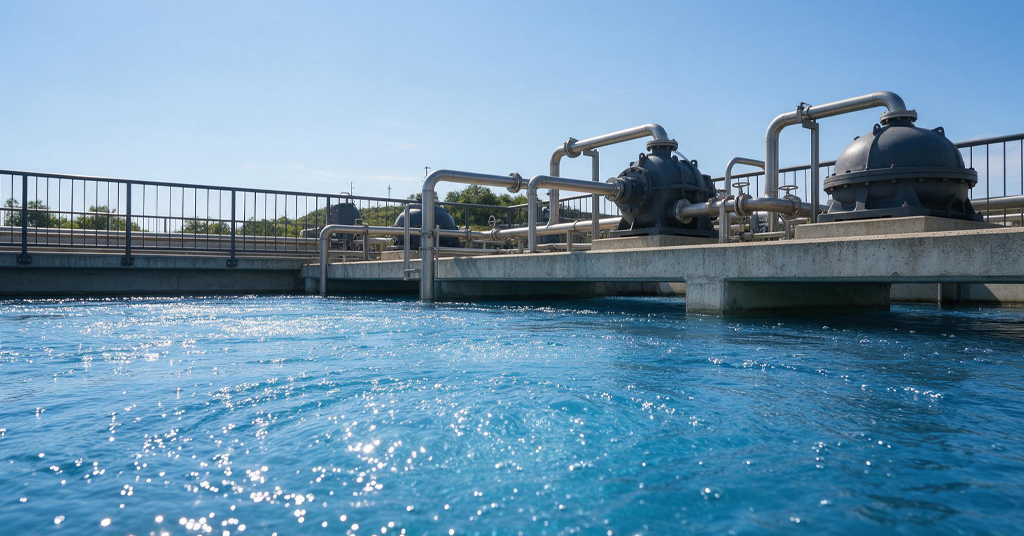
When choosing nanobubbles for water and wastewater treatment, the first decision is the gas. This decision is shaped by environmental engineering principles
Algae Control in Wastewater Lagoons: Managing Summer Algal Blooms
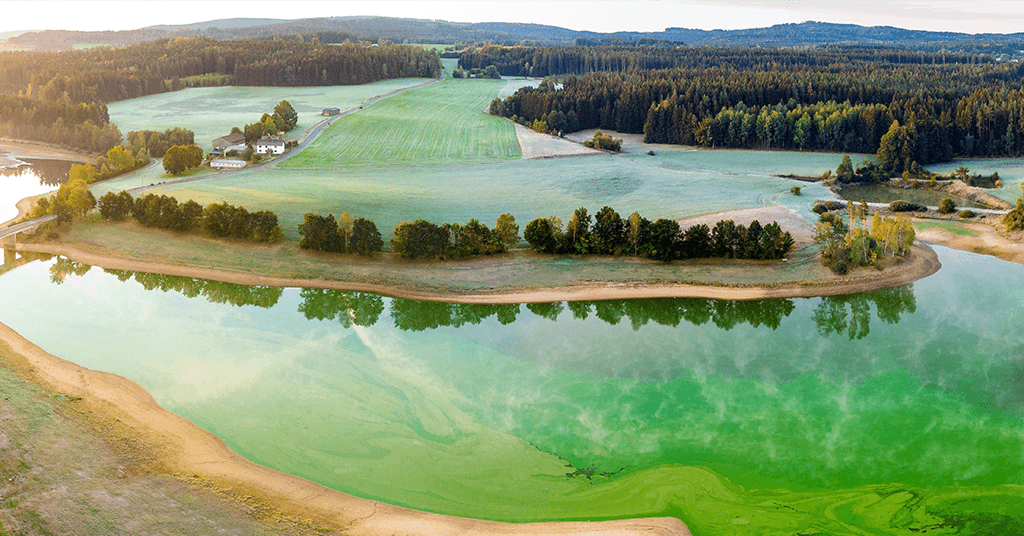
Summer algae blooms can push wastewater lagoon effluent toward non-compliance by increasing total suspended solids (TSS) and, in some cases, five-day biochemical oxygen demand (BOD₅).
What is extensive wastewater treatment? Lagoons, wetlands and filters explained.

Extensive wastewater treatment uses natural biological and physical processes in large, low-energy systems to treat wastewater with relatively little mechanical intervention.
Nanobubble Technology for Wastewater Treatment Plants: Energy and Chemical Cost Savings Explained
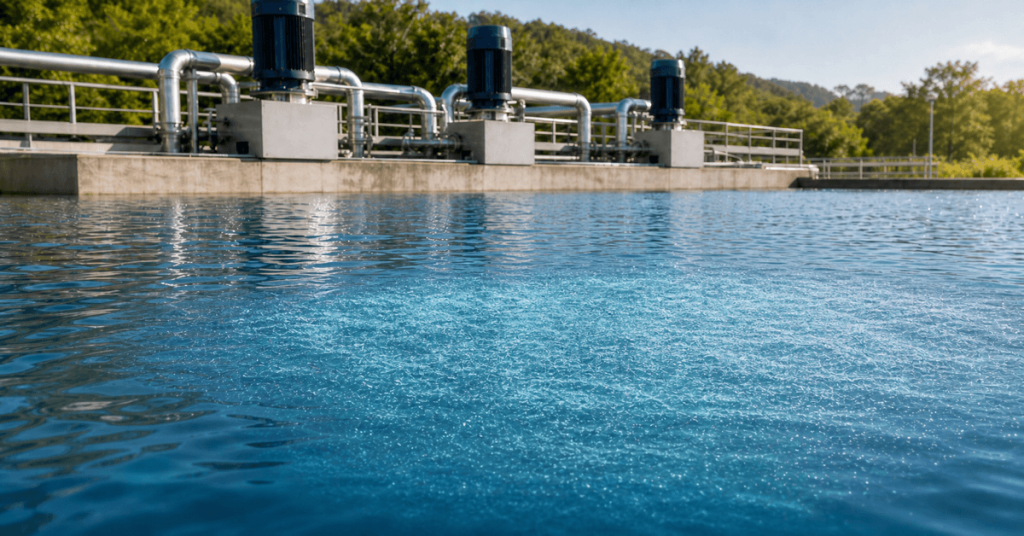
Nanobubble technology can help wastewater treatment plants reduce two significant operating costs: aeration energy and chemical dosing, while supporting the consistent production of clean water.
Energy Neutrality in Wastewater Treatment: What the 2045 EU Target Means for Treatment Plants

By 2045, the European Union expects its urban wastewater and sewage treatment sector to be energy-neutral, producing at least as much renewable energy as its water utilities consume in order to deliver clean water.
